Heating and Cooling for Less
PARTS COUNTER PRICESLISTED 10/27/2026
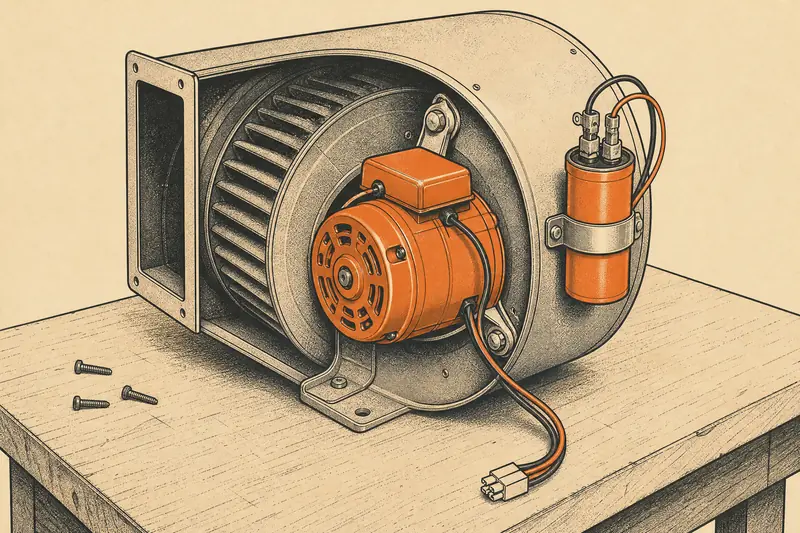
- Dual run capacitor$8.96–$19.21
- Hard-start kit$8.33–$25.01
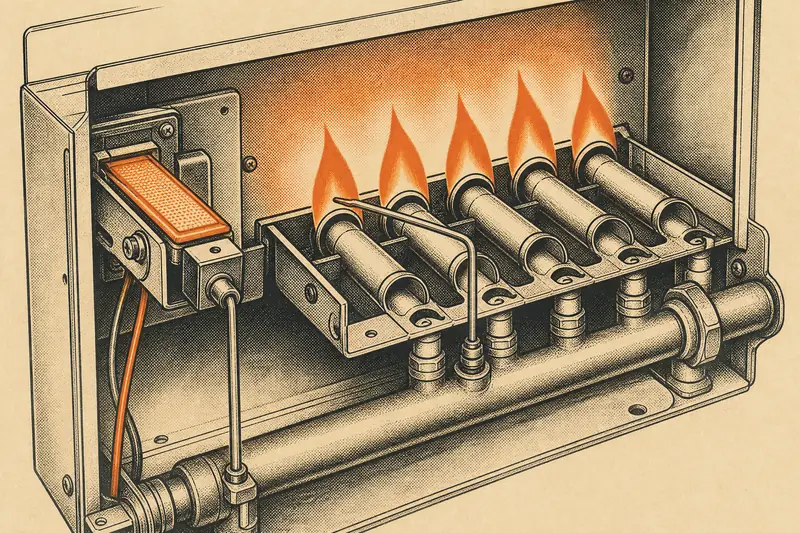
- Hot surface igniter$31.04–$58.83
- 1-in. MERV 8 filter$5.22–$14.17
- Std. condensate pump$47.61–$82.20
PARTS ONLY · LABOR NOT INCLUDED
TOTALCHECK FIRST: filter · breaker · thermostat
Listed prices at PlumbingSupplyAndMore.com, a supply house under the same ownership as Penny Damper. Ranges cover common sizes; see all part prices.
Heating and cooling costs drop fastest with three moves: know what a repair part really costs, do the safe upkeep yourself, and set the thermostat the way DOE suggests.
Penny Damper bench notes · updated
Repair costs
Dated part prices, what the labor line pays for, and when a repair stops making sense.
Everything in repair costs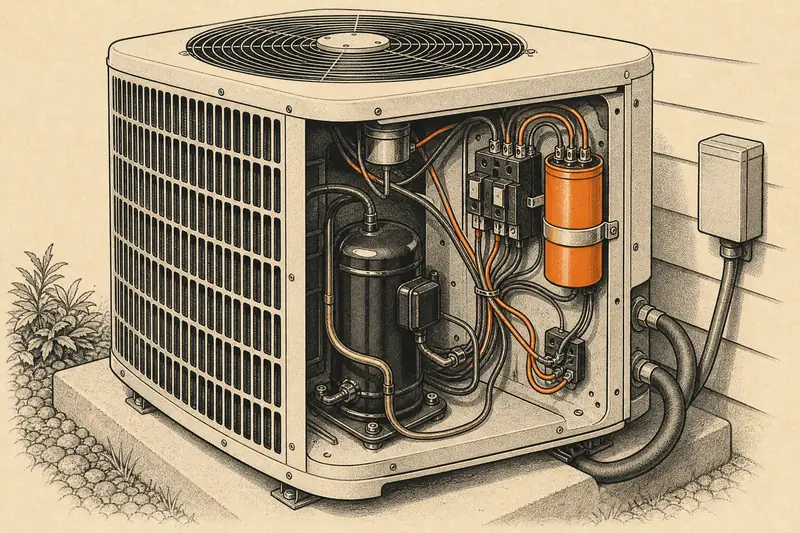
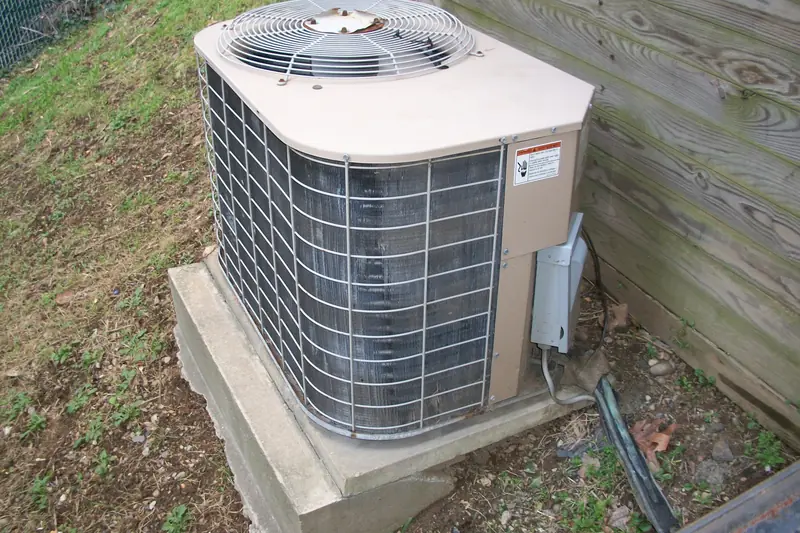
Safe upkeep
Filters, settings, drains and the checks you can make before paying for a call, with the jobs to leave alone.
Everything in safe upkeep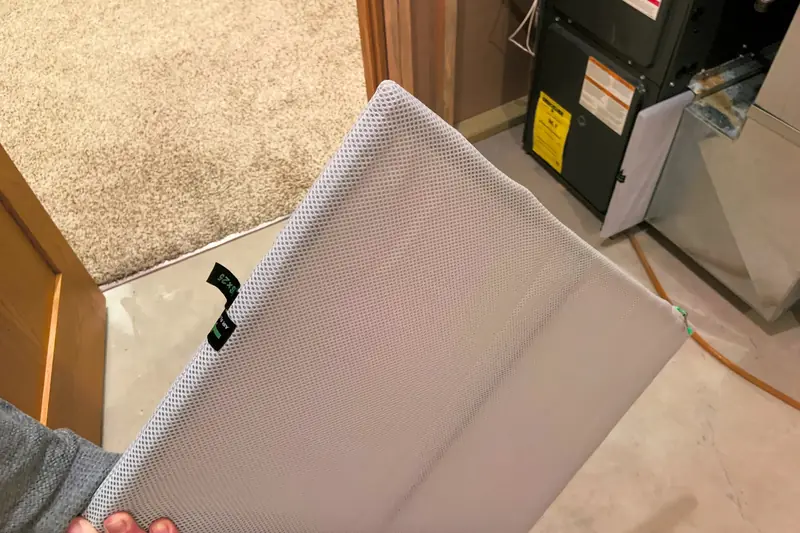 MERV Ratings and Furnace FiltersSafe upkeep
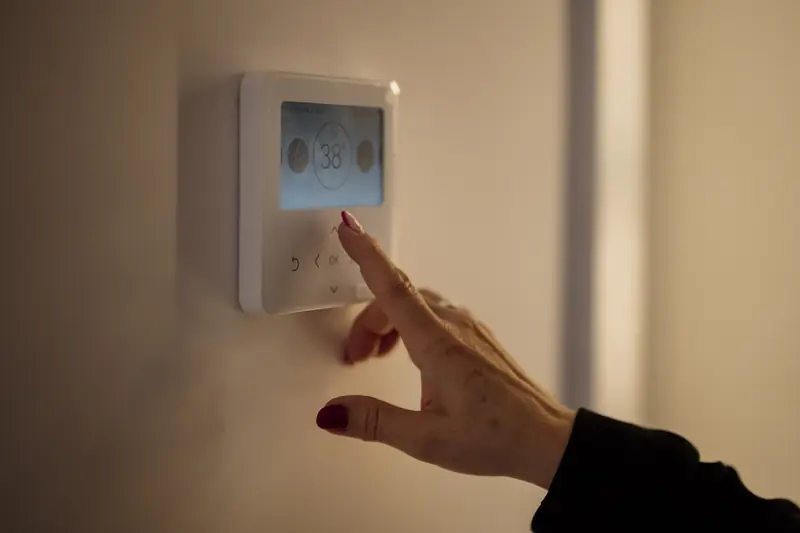 Thermostat Settings That Save MoneySafe upkeep
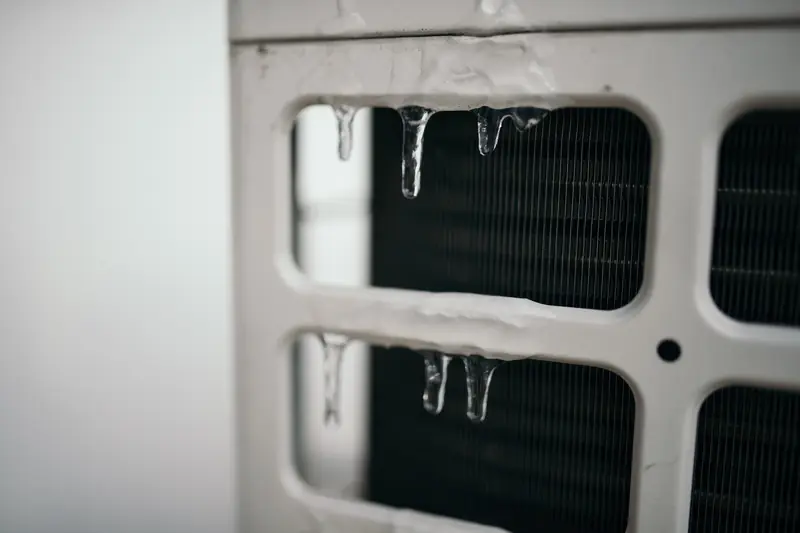 Heat Pump Settings That Save MoneySafe upkeep
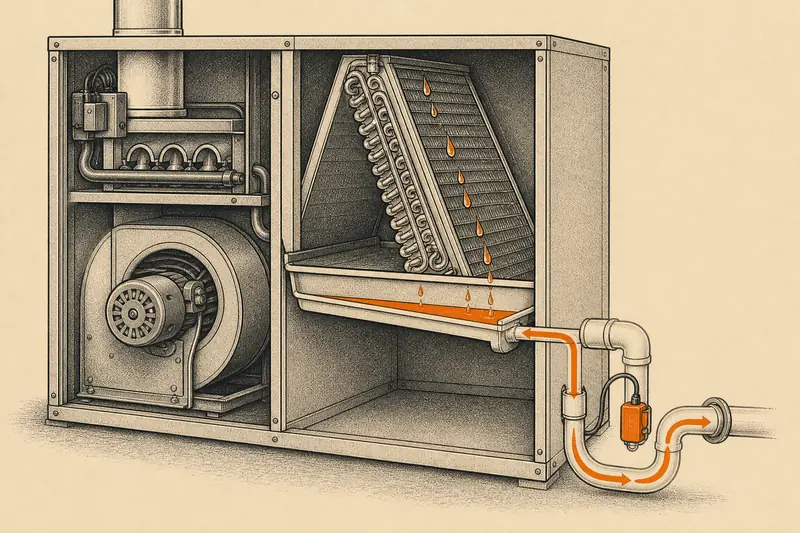 Clearing a Clogged Condensate LineSafe upkeep
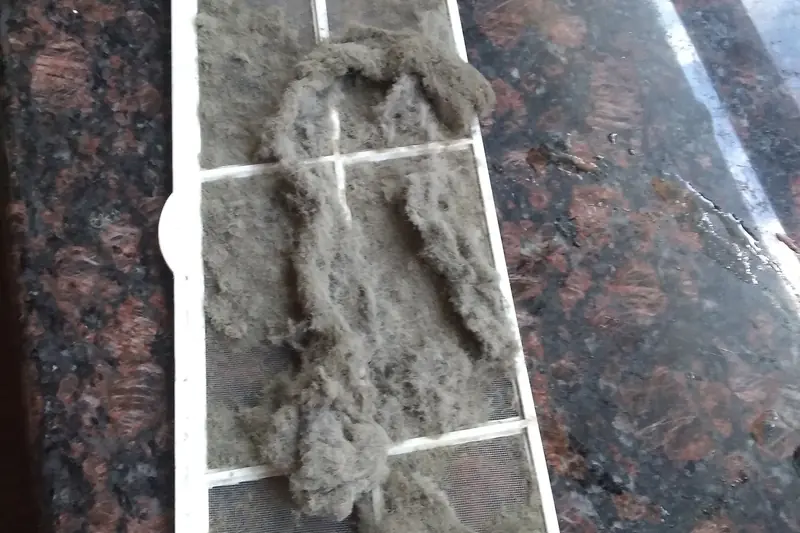 AC Not Cooling: Safe Checks FirstSafe upkeep
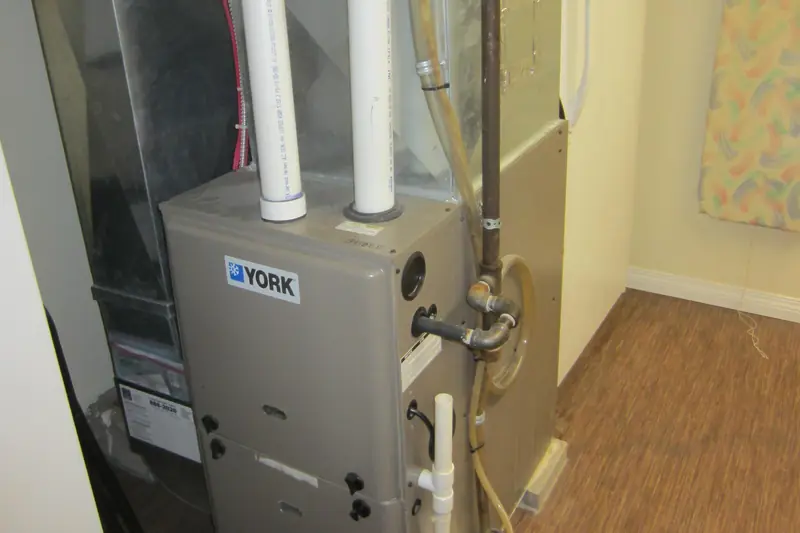 Furnace Not Working: Safe Checks FirstSafe upkeep
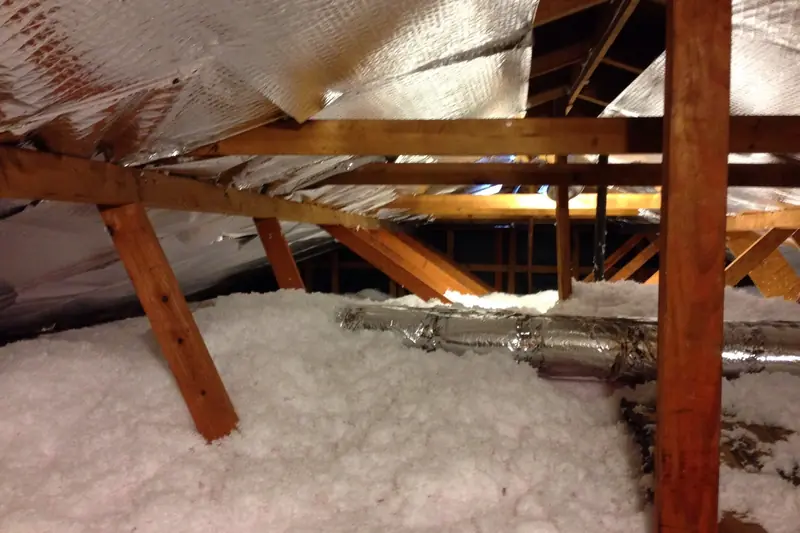 Duct Leaks and How to Seal ThemSafe upkeep
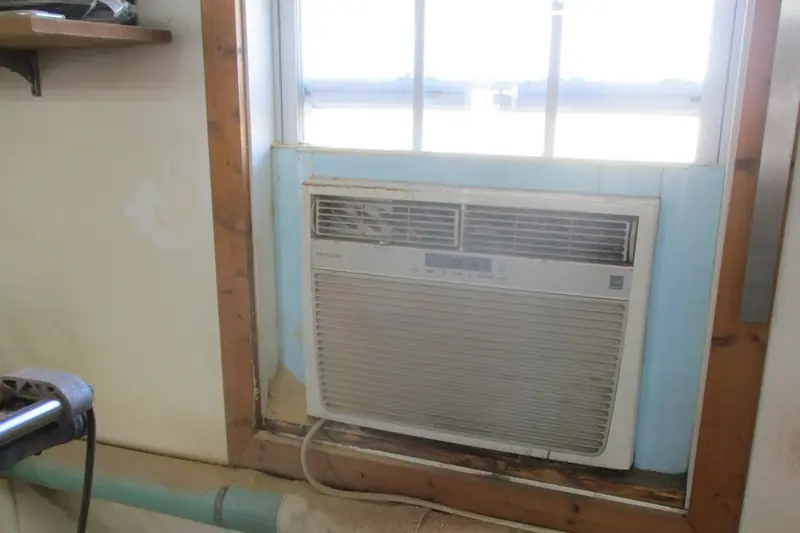 Window vs Portable Air ConditionersSafe upkeep
 Space Heaters: Safety and CostSafe upkeep
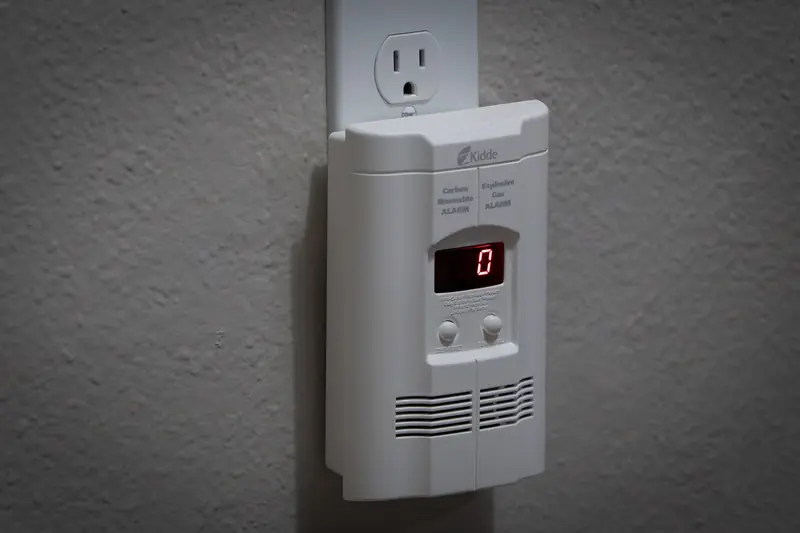 Carbon Monoxide: Alarms and FurnacesSafe upkeep
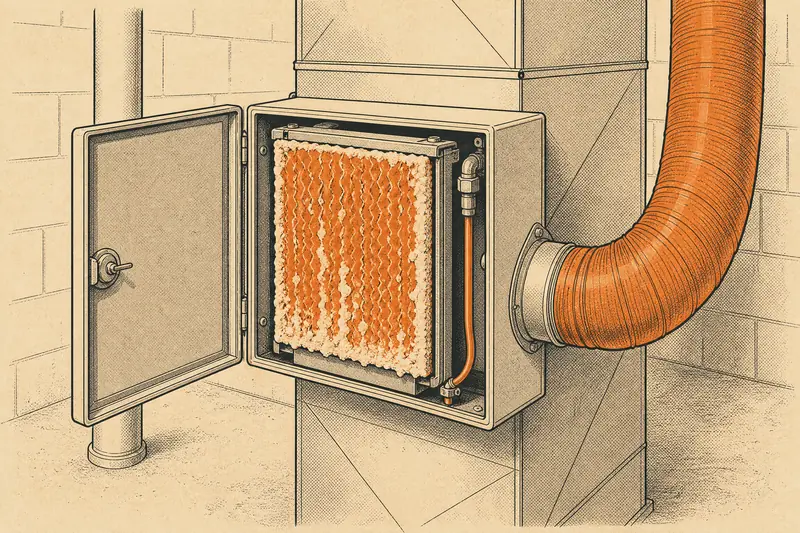 Humidifiers, Hard Water and UpkeepSafe upkeep
Bill help
LIHEAP, weatherization, the 2026 state of tax credits and rebates, efficiency ratings and financing traps.
Everything in bill help
Shop notes
- ENERGY STAR says "nearly half" of the energy used in a home goes to heating and cooling.
- DOE's guidance is 68°F at most for winter heat and 78°F or above for summer cooling; its Energy Saver Guide (2022) says a 7–10°F setback for 8 hours a day can save as much as 10% per year.
- Repair parts are often cheap: hot surface igniters were listed at $31.04 to $58.83 on October 27, 2026, by PlumbingSupplyAndMore, for the part alone.
- ENERGY STAR estimates that 20 to 30 percent of the air moving through a duct system escapes through leaks, holes and loose joints.
- LIHEAP income limits are capped at the greater of 150% of the poverty guidelines or 60% of state median income (HHS).
- Equipment put in after December 31, 2025, earns no 25C or 25D federal credit, the IRS says.
What do common heating and cooling repairs cost?
The parts behind most no-heat and no-cool calls cost less than the visit. Penny Damper prints supply-house prices with the date they were read: on October 27, 2026, a round dual run capacitor for a central air conditioner was $8.96 to $19.21, and universal PSC blower motors up to 1/2 hp were $130.71 to $146.77, in each case without labor. The rest of an invoice pays for the trip, the diagnosis and the technician's hours.
Labor is never guessed here. The wage is quoted instead: the Bureau of Labor Statistics reports that half of HVAC mechanics earned more and half less than $29.33 an hour in May 2025. A company bills above that because the same rate keeps its vans, insurance and tools going. The repair costs hub carries the full dated price table, and each part has its own page, starting with the AC capacitor and the furnace igniter.
Should you repair or replace an old system?
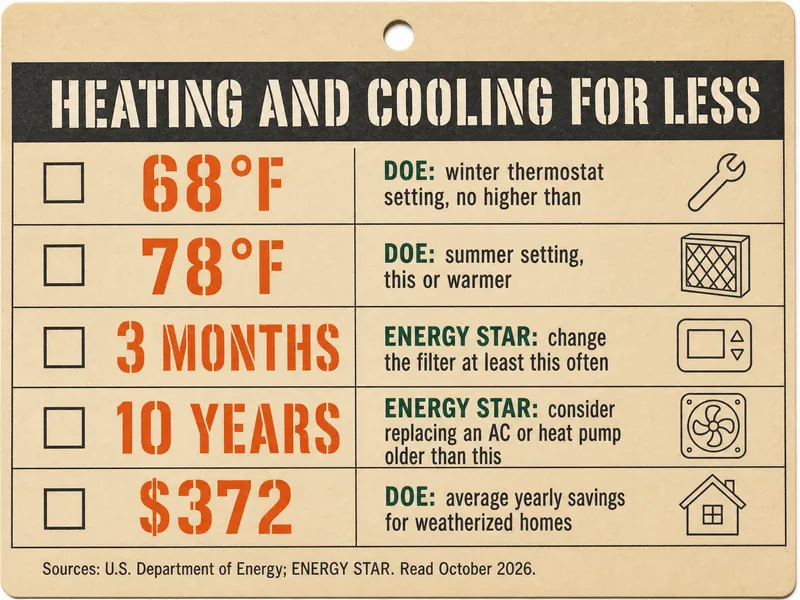
Start with age. ENERGY STAR's replacement page suggests looking at a new air conditioner or heat pump once yours passes 10 years, and a new furnace or boiler after 15. The "$5,000 rule," which multiplies age by the repair quote, is a trade habit that no agency backs.
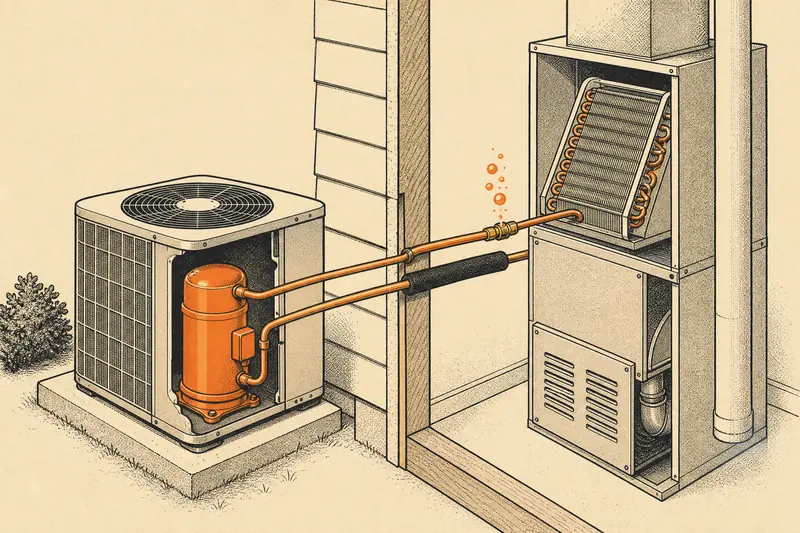
Then weigh efficiency, which depends on the installer as much as the box. ENERGY STAR credits correctly installed high-efficiency units with savings of up to 20 percent on heating and cooling. Collect a repair quote and a replacement quote in writing, then apply the repair-or-replace test. If the diagnosis is a failed compressor, read what a compressor swap involves before signing.
Where the money goes
- Nearly halfPortion of household energy that heating and cooling useENERGY STAR
- 20–30%Duct air lost to leaks, holes and loose connectionsENERGY STAR
- 18.16¢What U.S. homes paid per kWh on average in August 2026EIA
- $372Yearly savings DOE reports for weatherized households, on average or moreDOE
- $29.33Midpoint hourly pay for HVAC mechanics in May 2025BLS
Which upkeep is safe to do yourself?
Filters, thermostat batteries and settings, one breaker reset, a clear outdoor unit and a flushed condensate drain are yours to handle. Shut the system off at the thermostat, then at the breaker or outdoor disconnect, before touching anything. ENERGY STAR asks you to look at the filter every month and never leave one in longer than 3 months, since a clogged filter chokes airflow and can harm the equipment.
For filters, EPA's target is MERV 13 or the highest rating your system's fan and slot can handle, with a technician's advice if in doubt; the MERV ratings page weighs it up. Outdoors, rinse the coil gently with a garden hose and the power off; a pressure washer is not safe for the fins. Leaky ducts in an attic or crawl space are sealed with mastic or metal-backed tape rather than cloth duct tape (duct leaks). The whole routine sits on the safe upkeep hub.
| Move | What the agency says | Source |
|---|---|---|
| Winter thermostat | 68°F or lower | DOE |
| Nightly or workday setback of 7–10°F, 8 hours | As much as 10% per year on heating and cooling; heat pumps need a compatible thermostat | DOE Energy Saver Guide (2022) |
| Certified smart thermostat | Roughly $100 saved yearly where a home sits empty most of the day | ENERGY STAR |
| Summer ceiling fan | Thermostat can go up about 4°F with the same comfort | DOE Energy Saver Guide (2022) |
| Air filter | Look monthly; replace by 3 months at the latest | ENERGY STAR |
| Leaky ducts | Seal joints with mastic or foil tape | ENERGY STAR |
Which thermostat settings save money?
Cooler in winter, warmer in summer, and a schedule for the hours nobody is home. DOE's numbers are 68°F as a winter ceiling and 78°F as a summer floor, and the 2022 Energy Saver Guide puts the payoff of turning it back 7–10°F for 8 hours daily at as much as 10% per year. Heat-pump owners should skip deep setbacks unless their thermostat is a smart or programmable model built for heat pumps, since backup resistance heat is the expensive kind.
A certified smart thermostat can save approximately $100 a year, ENERGY STAR says, in homes that sit empty for long stretches. In summer a ceiling fan lets you nudge the setting up about 4°F without feeling it, per DOE; in winter, switch it to clockwise. Setting by setting, the thermostat settings page and the heat pump settings page go further.
Where can you get help with heating and cooling bills?
LIHEAP and the Weatherization Assistance Program are the two large federal programs, and states and local agencies run both. LIHEAP covers heating and cooling bills, energy emergencies, weatherization and small energy-related repairs, and charges nothing to apply. The LIHEAP budget for FY2026 totaled $4.13 billion, and the first FY2027 money went out on October 9, 2026 (LIHEAP page).
Weatherization serves households at or below 200% of the poverty guidelines, and some states use LIHEAP's criteria instead; DOE reports that those homes save "on average $372 or more every year." Home Energy Rebates, renamed HOMES and HEEHR in 2026, operate only in select states, so ask your State Energy Office. The bill help hub gathers all of it, along with financing red flags.
What should you never do yourself?
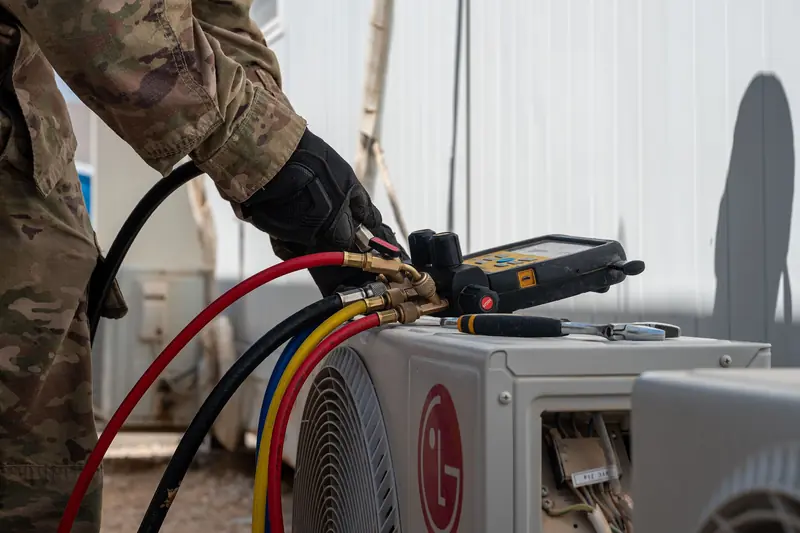
Leave refrigerant, gas parts and capacitors to a professional. Refrigerant can be bought and handled only by technicians certified under EPA Section 608, and a low charge means a leak to find and fix (refrigerant leaks). Gas valves, burners, igniters and heat exchangers stay closed to homeowners, and no safety switch (limit, rollout, pressure, float or door) should ever be bypassed. A capacitor can store a dangerous charge after the power is cut. If you're unsure, call a licensed technician.
Two situations call for leaving, not diagnosing. Smell gas? Get out of the house first, skip every light switch and phone indoors, and reach 911 or the gas company once you're outside. A sounding carbon monoxide alarm means everyone goes out to fresh air before anyone calls 911 or the fire department; CPSC wants CO alarms on each level and near bedrooms (carbon monoxide). Ovens, stoves and grills are never heaters. A space heater labeled 1,500 watts runs about 27¢ an hour at EIA's August 2026 average (1.5 kW × 18.16¢), and CPSC asks for 3 feet of clear space around it (space heaters).
How these numbers were checked
The home page relies on ENERGY STAR; DOE's Energy Saver Guide (2022) and weatherization pages; EPA; HHS's LIHEAP pages; the IRS; CPSC; EIA's Electric Power Monthly; and BLS May 2025 wages. All were read in October 2026. Part prices are PlumbingSupplyAndMore listings checked October 27, 2026, without labor; that supply house and this site share owners. Not included: labor or whole-job prices, lifespans given as fact, savings figures no agency publishes, and any refrigerant, gas or capacitor procedure.
More questions
Is Penny Damper an HVAC company?
No. It is a cost notebook for US households and does no installs, repairs or service calls. For work inside the equipment, hire a licensed HVAC technician and ask for an itemized quote.
Where do the part prices come from?
From PlumbingSupplyAndMore, a supply house owned by the same people as Penny Damper. The prices were read on October 27, 2026; each is dated and covers the part alone, so treat it as a reference rather than a quote.
Why doesn't the site list labor prices?
Labor depends on the local market and the job, and any national figure would be a guess. The site quotes the BLS median wage and explains what the labor line covers instead.
What is the cheapest thing to do this week?
Pull the filter and look at it, then check the thermostat schedule. Both cost little or nothing, and both are on the agencies' lists of first steps.
Can I still get a federal tax credit for a new heat pump?
Not for a 2026 install. The 25C and 25D credits stopped with equipment placed in service by the end of 2025, and those 2025 installs go on Form 5695 with the 2025 return.
How much does running a space heater cost?
Multiply its wattage by your electricity rate. A heater labeled 1,500 watts uses 1.5 kWh an hour, about 27¢ at EIA's August 2026 average of 18.16¢ per kWh.
How do I apply for LIHEAP?
Through your state or local agency. The federal LIHEAP office lists state contacts, and the program never charges a fee to apply.
Start here