AC Not Cooling: Safe Checks First
Short answer
AC not cooling? Check the thermostat, breaker, filter, registers, drain and outdoor unit first, with the power off for anything you touch; ice on the coil or a refrigerant leak is a technician's job.
Penny Damper bench notes · updated
Partner links on this page go to Central Plumbing HVAC, under the same ownership as Penny Damper. They are there for price reference and examples; no figure here depends on them. How partner links work
Jump to a section
Shop notes
- The Lennox AC homeowner manual lists five things to verify before a service call: thermostat settings, disconnect switches, fuses and breakers, access panels and the air filter.
- Reset a tripped breaker one time only. Carrier says a breaker that trips right after a reset should not be tried again.
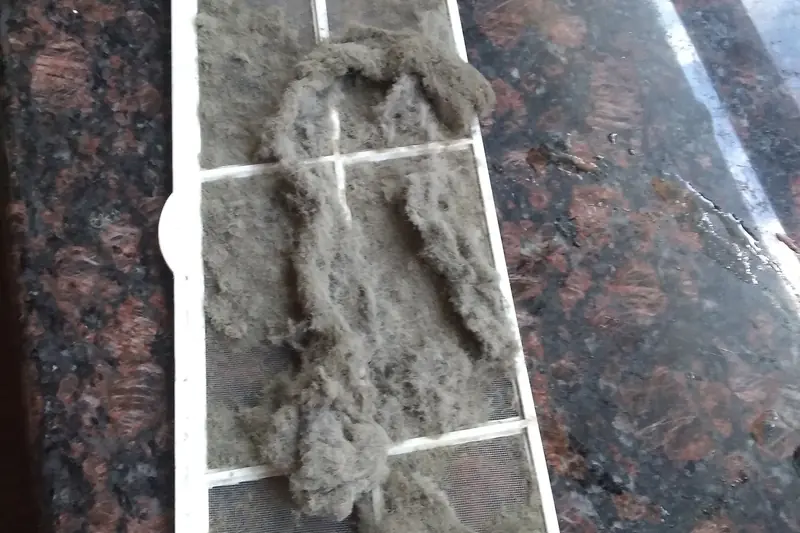
- ENERGY STAR says to look at the filter monthly and change it at least every 3 months.
- Carrier puts thawing a frozen coil at about 1–3 hours for light frost and 4–8 hours or longer for heavy ice.
- Airflow problems can cut a system's efficiency by up to 15%, per the ENERGY STAR maintenance checklist.
- Only EPA Section 608-certified technicians may buy refrigerant, so a low charge is never a homeowner fix.
Why is the AC running but not cooling?
An AC that runs without cooling usually has one of three problems: weak airflow, a dead outdoor unit, or a refrigerant leak. Airflow is the cheapest to fix. Carrier names restricted airflow from dirty filters or blocked vents as a common reason a coil ices over, and an iced coil passes almost no air.
Listen at the outdoor unit. If the indoor fan blows but the outdoor fan and compressor sit still, the trouble is power or a part outside, and Carrier calls capacitors, motors and compressors high-voltage components that homeowners should not troubleshoot. The capacitor cost page explains why that part is a technician's swap even with the power off.
Refrigerant is the expensive branch. A system does not burn through its charge, so low refrigerant means a leak somewhere in the sealed loop; an older ENERGY STAR guide says an incorrect refrigerant level can lower efficiency by 5–20%. The refrigerant leak page covers how that repair is found and priced.
Which checks are safe to make yourself?
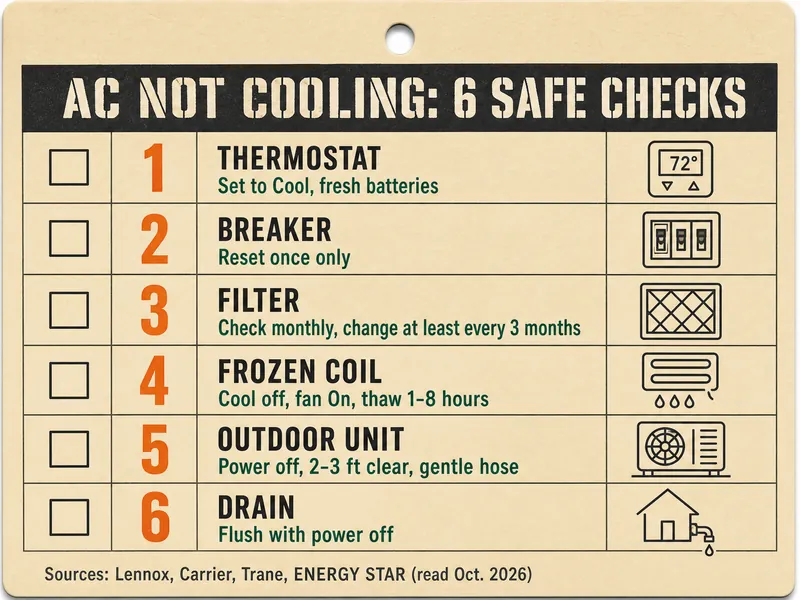
The safe checks are the ones that never open a panel: thermostat, breaker and disconnect, filter, registers and the condensate drain. Go in this order and stop at the first one that explains the problem.
- Thermostat. Confirm it says Cool and is set below the room temperature. A blank screen often means dead batteries. Once cooling returns, thermostat settings covers the numbers that trim the bill.
- Breaker and disconnect. Check the panel breakers for the indoor unit and the outdoor unit, and the disconnect switch beside the condenser. One reset of a tripped breaker is the limit. A second trip means an electrical fault, so leave the handle off and call.
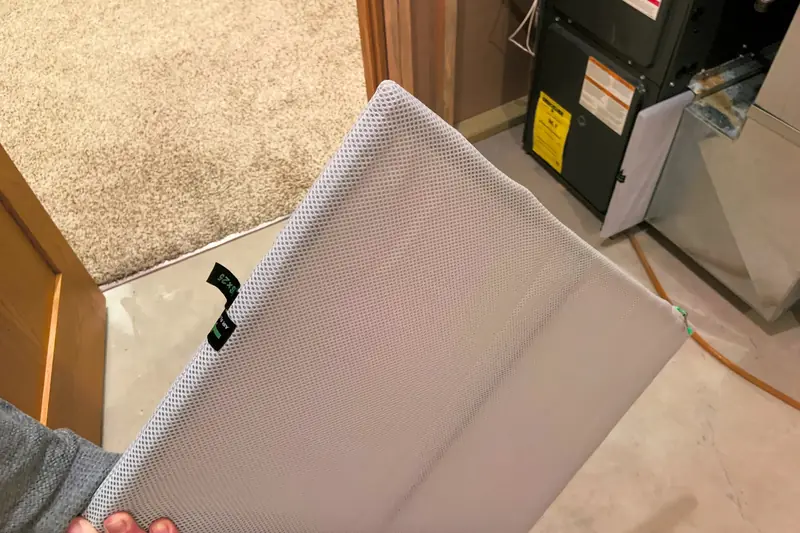
- Filter. Pull it and hold it to a light. ENERGY STAR warns that a dirty filter slows airflow and makes the system work harder. A pleated 1-inch MERV 8 filter was listed at PlumbingSupplyAndMore, a supply house that shares owners with Penny Damper, for $5.22–$14.17 (part only, Oct. 27, 2026); MERV ratings explains which rating your system can take.
- Registers and returns. DOE's Energy Saver Guide (2022) says to make sure they aren't blocked by furniture, carpeting or drapes. A sofa over a return starves the coil.
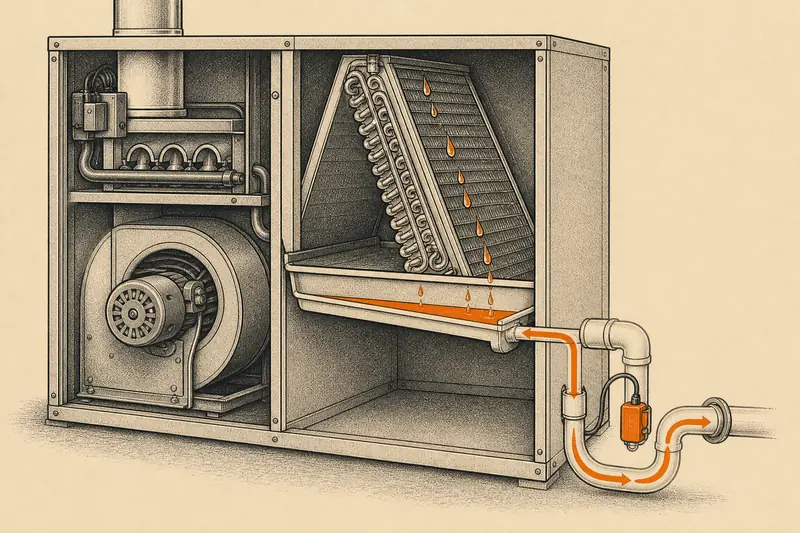
- Condensate drain. Many systems carry a float switch that cuts power when the drain pan fills, so a clogged line can stop cooling outright. With the power off at the thermostat and breaker, the line can be flushed; the condensate line page walks through it. Never bypass the float switch to get cooling back.
What does a frozen coil mean?
Ice on the indoor coil, or frost on the larger copper line at the outdoor unit, means the coil ran below freezing, usually from poor airflow or low refrigerant. Trane's advice is to switch the thermostat from Cool to Off and let it thaw, and you can set the fan to On instead of Auto to speed things up.
Expect a wait. Light frost can clear in 1–3 hours, but Carrier says thick ice may need 4–8 hours or more, so put a towel under the indoor unit for meltwater. Don't chip at the ice: Trane warns it can damage the coil and cause a refrigerant leak. Don't aim a hair dryer or heat gun at it either; water and electricity don't belong together there.
Change the filter before you switch cooling back on, as Trane advises. If the coil ices again with a clean filter and open registers, airflow is ruled out and a leak is the likely cause. Trane says an oily residue near the coil or a hissing sound calls for a professional right away.
How do you clear the outdoor unit safely?
Shut the system off at the thermostat, then at the breaker or the outdoor disconnect, and only then clear leaves and rinse the coil gently with a garden hose. Carrier's cleaning page puts it plainly: power off at the breaker panel before any maintenance. Its maintenance page says to hose the fins gently, never with a power washer, since bent fins block air.
Give the unit room to breathe. Carrier suggests trimming shrubs and clearing grass and leaves for 2–3 feet around the condenser. The Lennox manual adds a monthly look for anything blocking airflow and warns against letting sprinklers soak the cabinet, since treated water corrodes steel and aluminum parts.
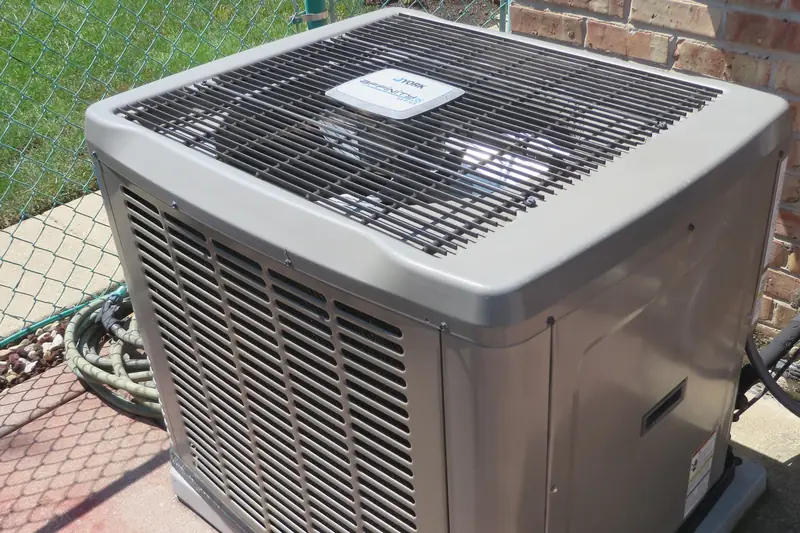
Stop at the outside of the cabinet. Carrier leaves deeper coil cleaning and internal parts to a professional, and the run capacitor behind the service panel can store a dangerous charge with the power off.
| Symptom | Safe check | Technician's job |
|---|---|---|
| Thermostat screen blank | Fresh batteries; mode on Cool | Thermostat wiring or control faults |
| Breaker tripped | One reset | A second trip; any electrical diagnosis |
| Weak airflow from vents | Filter, registers, returns | Blower motor, hidden duct problems |
| Ice on the coil | Cool off, fan On, new filter | Leak search and refrigerant work |
| Water around the indoor unit | Drain flush with power off | Float switch faults, pump replacement |
| Outdoor fan still, unit humming | Power off and call | Capacitor, contactor, fan motor, compressor |
- 15%efficiency a system can lose to airflow problemsENERGY STAR
- 3 monthslongest gap between filter changesENERGY STAR
- 4–8 hoursthaw time for heavy ice on a coilCarrier
- $29.33an hour: half of HVAC mechanics earned more in May 2025Bureau of Labor Statistics
When should you call a licensed tech?
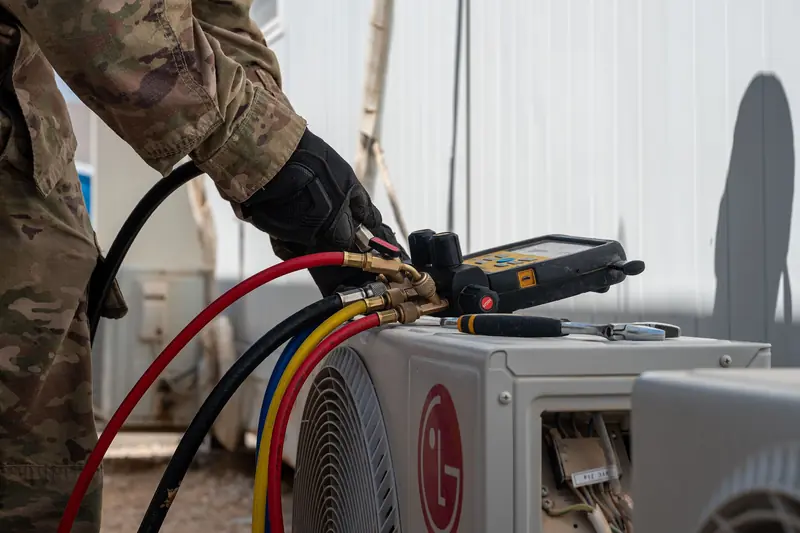
Call once a safe check fails twice or points inside a cabinet: a breaker that trips again, an outdoor fan that won't turn, a coil that refreezes, hissing, oily residue, or warm air with a clean filter. Refrigerant work is closed to homeowners by law. EPA says technicians who service equipment that could release refrigerant must be certified, and venting refrigerant is illegal. Skip sealant cans and gauge kits.
Ask for the diagnosis and an itemized quote in writing before work starts. Penny Damper does not guess at labor totals. The Bureau of Labor Statistics puts the median HVAC mechanic's pay at $29.33 an hour (May 2025), and a company's hourly rate also has to carry the truck, insurance, tools and office. If the unit is more than 10 years old, ENERGY STAR suggests weighing replacement; repair or replace runs the numbers.
To see what a local contractor's service page typically covers, Central Plumbing HVAC's air-conditioning service page is one example: repairs, tune-ups and replacements, for homes in Bucks and Montgomery County, PA. Penny Damper shares owners with that company. If you live elsewhere, look for a licensed company near you.
If you're unsure, call a licensed technician.
How these numbers were checked
This page draws on the Lennox AC homeowner manual, Carrier's troubleshooting, frozen-coil and maintenance pages, Trane's frozen-coil article, the ENERGY STAR heating and cooling pages and maintenance checklist, DOE's Energy Saver Guide (2022), EPA's Section 608 pages and the BLS Occupational Outlook Handbook (May 2025 pay), all read in October 2026. The filter price is a listed supply-house price on October 27, 2026. Left out: labor or total repair prices, refrigerant charge amounts, and any step that opens the outdoor or indoor cabinet.
More questions
Should I add refrigerant if the AC is low?
No. A low charge means a leak, and federal rules let only EPA-certified technicians buy and handle refrigerant. Topping off without finding the leak also leaves the problem in place. Have the technician show you the leak and quote the fix.
How long does a frozen AC coil take to thaw?
Carrier gives about 1–3 hours for light frost and 4–8 hours or longer for heavy ice. Keep cooling off and the fan on during the wait. Replace the filter before turning cooling back on.
Why is the indoor fan running but the outdoor unit silent?
Check the outdoor disconnect and the breaker first. If both are on and the outdoor unit still won't run, the fault is likely a capacitor, contactor or motor, all high-voltage parts. That is a call, not a project.
Can a dirty filter alone stop the cooling?
It can. A clogged filter starves the indoor coil of air, which lets it freeze, and an iced coil barely cools. Swap the filter, thaw the coil and watch whether cooling recovers.
Which thermostat fan setting should I use?
DOE suggests Auto for everyday use. The exception is thawing a frozen coil, when Trane suggests switching the fan to On with cooling off.
How often should a pro check a central AC?
ENERGY STAR suggests a contractor check-up every year, with the cooling side looked at in spring. The Lennox manual asks for a licensed technician twice a year, before the cooling and heating seasons.
Keep reading
Back to the Penny Damper front page