Weatherization Assistance Program
Short answer
The Weatherization Assistance Program is a DOE program that pays local agencies to audit and upgrade income-eligible homes, owned or rented, with insulation, air sealing and heating repairs; DOE says households save $372 or more a year on average.
Penny Damper bench notes · updated
Jump to a section
Shop notes
- DOE's Weatherization Assistance Program upgrades about 32,000 homes a year with DOE funds, and households save "on average $372 or more every year," per a national evaluation.
- Households at or below 200% of the poverty income guidelines, or receiving SSI, are eligible under DOE guidelines; states may instead use LIHEAP's 60%-of-state-median-income test.
- Both homeowners and renters can apply; renters need the landlord's permission before work starts.
- Every job begins with an energy audit that includes a blower-door test and an inspection of all energy equipment.
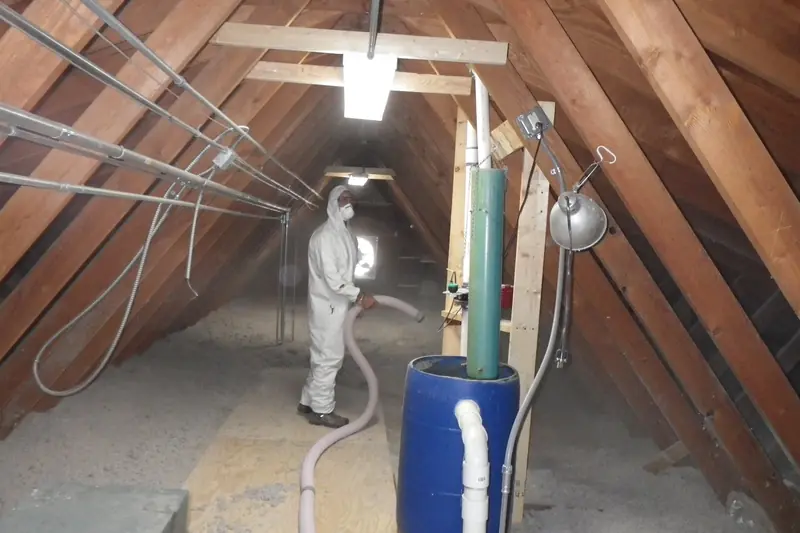
- Work runs to the cost-effective list: attic and wall insulation, air sealing, heating and cooling tune-ups or replacement, and health and safety fixes such as carbon monoxide alarms.
- Since 1976 the program has served more than 7.2 million families through roughly 700 local agencies.
What is the Weatherization Assistance Program?
The Weatherization Assistance Program, or WAP, is the Department of Energy's grant program for cutting energy costs in low-income homes "while ensuring their health and safety." DOE calls it the nation's largest single "whole-house" energy efficiency program on its about page.
DOE sends formula grants to all 50 states, the District of Columbia, tribes and five territories. They contract with roughly 700 local organizations, mostly community action agencies, other nonprofits and local governments, which use their own crews and private contractors to do the work.
"Whole house" is the key phrase. DOE says WAP differs from ordinary "weatherizing your home," which means cheap fixes like weatherstripping. A WAP crew looks at the shell, the heating and cooling equipment, the wiring and the big electric appliances before deciding what to fix.
Who qualifies for weatherization?
You qualify for weatherization when household income is at or below 200% of the federal poverty guidelines or someone in the home receives Supplemental Security Income. DOE's application page adds that a state may use LIHEAP's limit of 60% of state median income instead.
Priority goes to older adults, families with a member who has a disability, families with children, high energy users and households with a high energy burden. Being eligible puts you on a waitlist; it does not mean a crew arrives next week.
Renters are welcome. DOE says that "both homeowners and renters are eligible to apply," and the local provider works with the landlord to get permission first. If you already get LIHEAP bill help, ask the same office about weatherization, since both programs lean on the same income tests.
What work does weatherization pay for?
Weatherization pays for the measures an energy audit shows are the most cost-effective for your home, plus health and safety work. DOE's whole-house page lists typical measures in four groups.
| Category | Examples DOE lists |
|---|---|
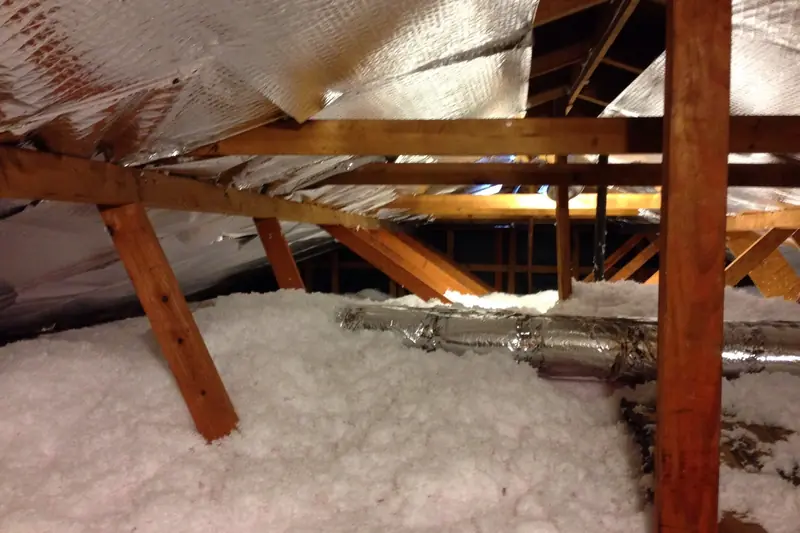
| Building shell | Wall, floor, ceiling, attic or foundation insulation; air sealing; blower-door testing; window and door repair or storm units |
| Mechanical | Clean, tune, repair or replace heating and cooling systems; duct and pipe insulation; programmable thermostats; water heater repair |
| Health and safety | Combustion appliance safety testing; vent repair; mechanical ventilation; smoke and carbon monoxide alarms; mold and moisture checks |
| Electric baseload | Efficient lighting; replacing refrigerators and freezers with efficient models; motor controls |
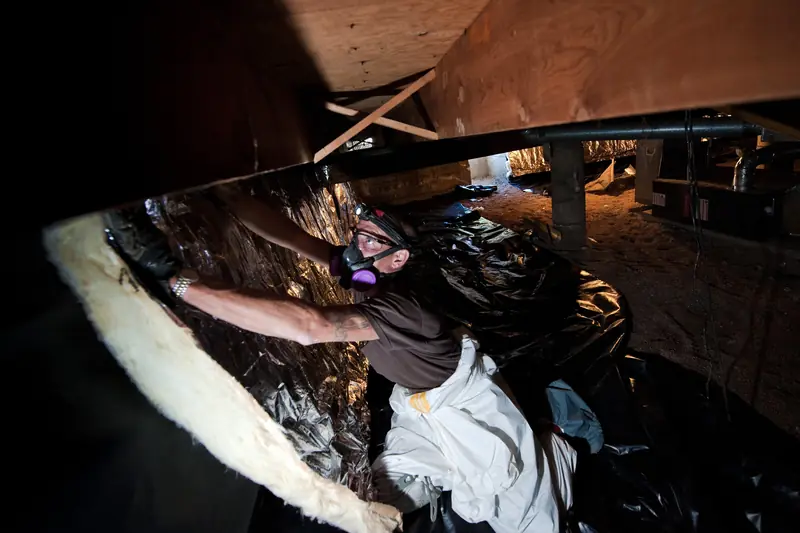
The audit drives everything. A professional auditor analyzes your energy bills, runs a blower-door test to measure how much outside air leaks in, and inspects every room and all energy equipment for upgrades and hazards. You get a scope of work, and after the crew finishes, an inspector checks the job against the Standard Work Specifications and confirms the equipment runs safely.
Ducts are often on the list for good reason. ENERGY STAR says about 20 to 30 percent of the air moving through a typical duct system is lost to leaks, holes and poor connections; the duct leaks page explains what that costs. Combustion testing matters just as much, because tightening a house changes how a furnace or water heater vents; see carbon monoxide and furnaces.
Why might a home be put on hold?
A home can be deferred when a problem must be fixed before efficiency work makes sense, such as a leaking roof over an attic that needs insulation. DOE says "it is not effective to insulate an attic if the roof leaks," so either the roof is repaired first or the job waits.
Deferral is not a denial. DOE notes that many local providers combine other federal, state and local money to fix the underlying problem so the home can move off the deferral list. Ask your provider what would have to change and whether another program can pay for it.
How much can weatherization save?
Weatherization saves the typical household $372 or more a year on energy, according to the national evaluation DOE cites on its program page. Your own figure depends on your fuel prices, the home's starting condition and which measures the audit picks.
DOE also reports benefits that never show on a bill: $2.78 in non-energy benefits for every $1.00 invested, from the same national evaluation. And the program stretches its budget; in 2018, local networks added $679 million from LIHEAP, utilities and states, or $3.48 for every DOE dollar, per a survey DOE cites.
Upgrades stack with settings. DOE's Energy Saver Guide (2022) says a new system combined with "recommended insulation, air sealing, and thermostat settings can cut your heating and cooling bills by about 30%." The thermostat settings page covers the free part.
Weatherization in numbers
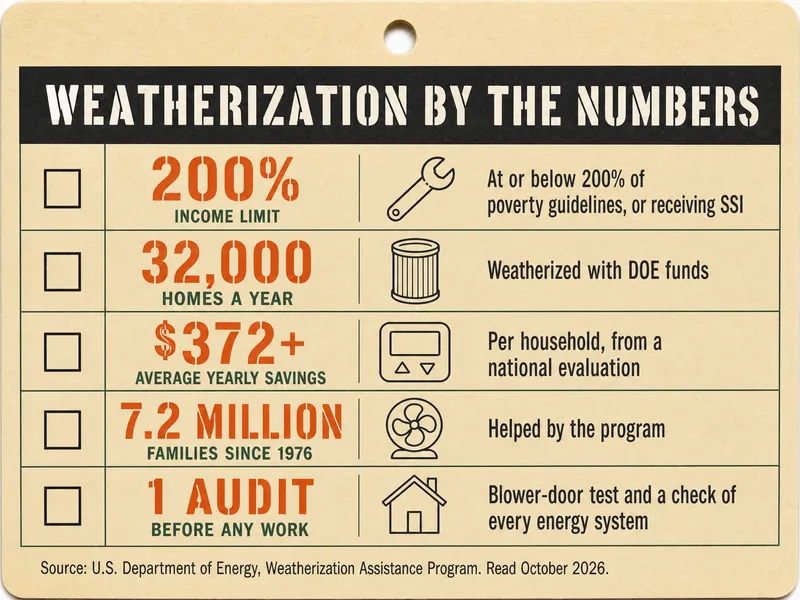
- 32,000Homes weatherized each year with DOE fundsU.S. Department of Energy
- $372+Average yearly savings per householdU.S. Department of Energy
- 7.2MFamilies served since 1976U.S. Department of Energy
- 700Local agencies doing the work, roughlyU.S. Department of Energy
How do you apply for weatherization assistance?
You apply for weatherization assistance through your state's weatherization administrator, which points you to a local provider, usually organized by county. DOE's how-to-apply page has a map of state agencies; a few states take applications online, but most send you to the local office.
The steps DOE lays out:
- Check the income rules for your state on its weatherization page.
- Find the local provider for your county.
- Apply with proof of income for the prior year, such as pay stubs or Social Security payments.
- Wait for an eligibility answer, then a place on the waitlist and an audit date.
WAP runs through state and local agencies, so check any caller against the provider list on your state's page. If a door-to-door seller claims to be "the weatherization program" and pushes a loan, read HVAC financing red flags before signing anything.
What can you do while you wait?
While you wait, seal the cheap leaks yourself. ENERGY STAR's seal and insulate page says sealing air leaks and adding insulation can provide "up to a 10% savings on your annual energy bills," and lists weatherstripping doors and caulking windows as simple fixes.
Keep registers clear of furniture and rugs, change the furnace filter on schedule, and use the setbacks on the thermostat settings page. If you are planning a new system later, note that the federal 25C and 25D tax credits ended for equipment installed after December 31, 2025, so check state rebates through the Bill help hub instead.
How these numbers were checked
This page is based on DOE's Weatherization Assistance Program pages (program overview, about, whole-house weatherization and how to apply), DOE's 2022 Energy Saver Guide, ENERGY STAR's duct sealing and seal-and-insulate pages and the HHS LIHEAP program overview, all read in October 2026. The savings and benefit ratios are DOE's figures from its national evaluation, not our own measurements. Left out: per-home spending limits and waitlist times, which were not on the pages read, and DOE's July 2025 funding announcement, whose details page could not be opened.
More questions
Is weatherization free?
DOE's pages describe the work as funded by DOE grants plus money local providers add from LIHEAP, utilities and states, and they list no household charge. Ask your provider in writing whether any cost applies to you before work starts.
Who checks the work when the crew is done?
A local WAP provider's inspector reviews the finished job. DOE says the inspector confirms everything was completed, meets the Standard Work Specifications and that all equipment is operating safely.
How long is the waitlist?
DOE says eligible households are placed on a waitlist and does not publish a national wait time. Priority groups such as older adults, people with disabilities and families with children may be served sooner.
Does a landlord have to agree?
Yes. DOE says the provider will work with you and your landlord to get permission before any work begins. Show your landlord the audit's scope of work so they know what will change.
Will weatherization replace a broken furnace?
It can, if the audit finds that repair or replacement is cost-effective or needed for safety. DOE's measure list includes cleaning, tuning, repairing or replacing heating and cooling systems, but the auditor decides.
Can you get weatherization and LIHEAP at the same time?
Often, yes. States may spend up to 15% of LIHEAP funds on weatherization (25% with a waiver), and local weatherization networks add LIHEAP money to their DOE funds. One local office may handle both applications.
What is a blower-door test?
It is the part of the energy audit that measures air leakage. DOE describes it as "a blower-door test to determine the infiltration of outside air into your house," and the results help the auditor decide where air sealing pays.
More bill help