LIHEAP: Help With Energy Bills
Short answer
LIHEAP is a federal block grant that states use to help lower-income households pay heating and cooling bills, get through a shutoff crisis and fix unsafe equipment; you apply through a state or local office.
Penny Damper bench notes · updated
Jump to a section
Shop notes
- Congress funded LIHEAP at $4,130,596,037 for fiscal year 2026, and the first $3.6 billion for fiscal 2027 went to states on October 9, 2026 (LIHEAP Clearinghouse).
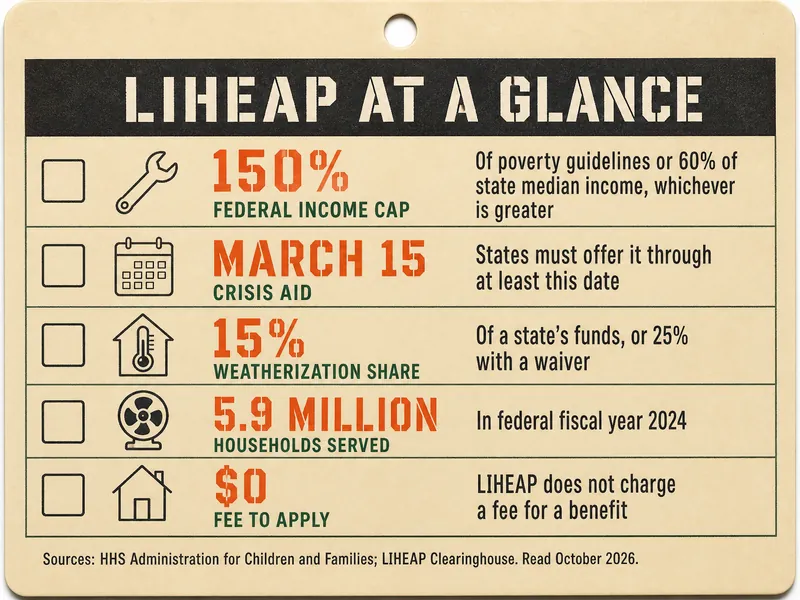
- The federal income ceiling is the greater of 150% of the poverty guidelines or 60% of state median income; each state picks its own limit inside that.
- A household can count as eligible automatically in states that use the option when someone in it gets SNAP, SSI, TANF or certain means-tested veterans' benefits.
- States must run crisis help through at least March 15 each year (HHS LIHEAP overview).
- In fiscal 2024 the program served 5.9 million households; 5 million got heating help and 751,000 got cooling help.
- LIHEAP does not charge a fee, and the federal office does not pay households directly, so an offer of a "LIHEAP grant" for a fee is a scam sign.
What is LIHEAP?
LIHEAP, the Low Income Home Energy Assistance Program, is a federal block grant run by the Department of Health and Human Services that pays for heating and cooling help through the states. HHS describes it as help with "home energy bills, energy crises, weatherization, and minor energy-related home repairs" on its program page.
The money goes to all 50 states, the District of Columbia, five territories and about 150 tribes, which then decide how to hand it out. That is why the rules in one state can look nothing like the rules next door. Federal law sets the outer limits; your state sets the amounts, season and paperwork.
ENERGY STAR puts heating and cooling at "nearly half" of the energy a home uses, so any help here goes further than a small discount elsewhere. The Bill help hub shows how LIHEAP fits beside weatherization, tax credits and rebates.
Who qualifies for LIHEAP?
You qualify for LIHEAP when your household income falls under your state's limit, and that limit can sit anywhere between 110% of the federal poverty guidelines and the greater of 150% of those guidelines or 60% of state median income. The LIHEAP Clearinghouse explains that states pick a point inside that band, and some set different limits for heating, crisis or weatherization help.
Some households skip the income math. States may treat a household as "categorically" eligible when at least one member receives TANF, SNAP, SSI or "certain means tested veteran's programs." Not every state uses this option, so check your state's own list.
Benefits are aimed at households with a high energy burden (a large share of income spent on heating and cooling) and homes with an older adult, a person with a disability or a young child. Some states also run an assets test, and there is no federal definition of income, so states decide what counts. Many count the gross income of everyone in the household, and some deduct large medical bills.
How do you apply for LIHEAP?
You apply for LIHEAP through your state or a local intake office, never through a federal agency. The federal local office search tool finds the intake provider for your area, and USA.gov notes that some offices take applications online while others want you in person.
Before you go, gather what states commonly ask for. The Clearinghouse describes intake practices that include proof of income for other household members and a check that you are responsible for the energy bill. Practical items to have ready:
- Recent pay stubs, benefit letters or Social Security statements for everyone in the home.
- Your latest heating and electric bills, with account numbers.
- Any shutoff or past-due notice, since it can move you to crisis help.
- If no one in the home has income, expect a form or signed statement explaining how bills are being paid.
The Clearinghouse shows fiscal 2027 money reaching states on October 9, 2026, under a stopgap budget law, and states open their own windows after that. Ask your local office when its window opens and apply early in the season.
What does LIHEAP pay for?
LIHEAP pays for heating bills in every state and, where a state chooses, cooling bills, crisis help, weatherization and low-cost repair or replacement of heating and cooling equipment. The Clearinghouse search tool page lists bills for electricity, natural gas, propane, fuel oil or wood, depending on where you live.
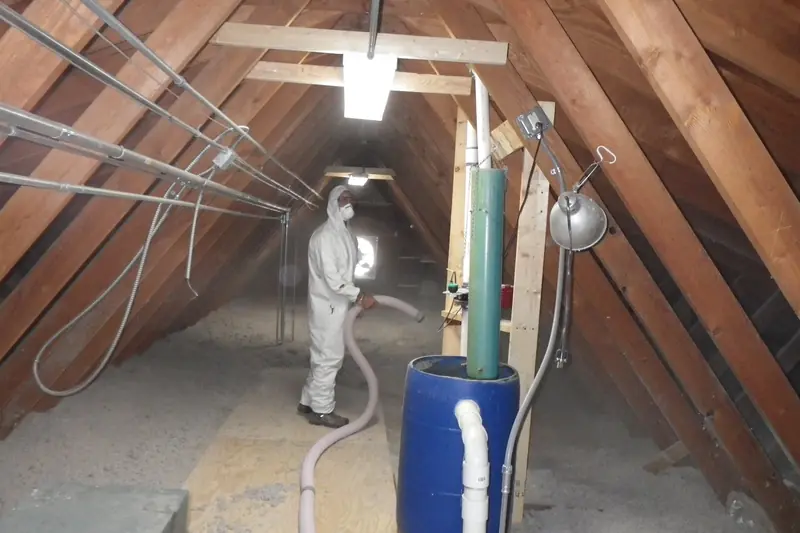
States may spend up to 15% of their LIHEAP money on weatherization, or 25% with a federal waiver. DOE says local agencies that run the Weatherization Assistance Program often add LIHEAP money to their DOE funds, so one office may handle both.
Equipment help matters if your furnace quits in January. HHS lists "repairing or replacing heating equipment" among the uses, and a furnace that won't start can be a crisis case in states that offer repairs. Ask the intake worker whether your state covers repairs before you sign a contractor's quote.
| Type of help | Households | What it covers |
|---|---|---|
| Heating assistance | 5 million | Help with winter heating bills |
| Winter or year-round crisis | 1.3 million | Shutoffs, empty tanks, broken heat |
| Cooling assistance | 751,000 | Summer electric bills in states that offer it |
| Summer crisis | 106,000 | Hot-weather emergencies |
| Energy service restored | 279,000 | Times service was turned back on |
LIHEAP in numbers
- $4.13BLIHEAP budget, fiscal 2026LIHEAP Clearinghouse
- 5.9MHouseholds served in fiscal 2024HHS LIHEAP overview
- 150%Of poverty guidelines, or 60% of state median income, as the federal ceilingHHS LIHEAP overview
- 42States with cold-weather shutoff protectionsLIHEAP Clearinghouse
What if you have a shutoff notice?
If you have a shutoff notice, apply for LIHEAP crisis help right away and tell the intake office the disconnection date, because states must offer crisis aid through at least March 15. Then look up your state's protections on the Clearinghouse disconnection policy page, updated July 20, 2026.
That page counts 42 states with cold-weather protections, 21 with hot-weather protections and 44 with protections for vulnerable households, such as people who are elderly, seriously ill or using life-support equipment. Two caveats apply. These rules generally cover state-regulated utilities, and "municipal utilities, rural electric cooperatives and deliverable fuel providers" usually aren't. And a winter moratorium only pauses a shutoff; the Clearinghouse says these policies "do not reduce customer's past due arrearages."
Never heat with the oven or a grill while you wait. The U.S. Fire Administration's heating flyer says "Never use an oven to heat your home," and burning fuel indoors is how carbon monoxide poisonings start. A plug-in heater needs its own rules too; see space heater safety.
What other bill help is there?
Other bill help includes the Weatherization Assistance Program, payment plans from your utility, and state or local funds that some community action agencies run beside LIHEAP. DOE's weatherization application page also lists Community Services Block Grants and USDA home repair loans and grants for very low-income rural homeowners.
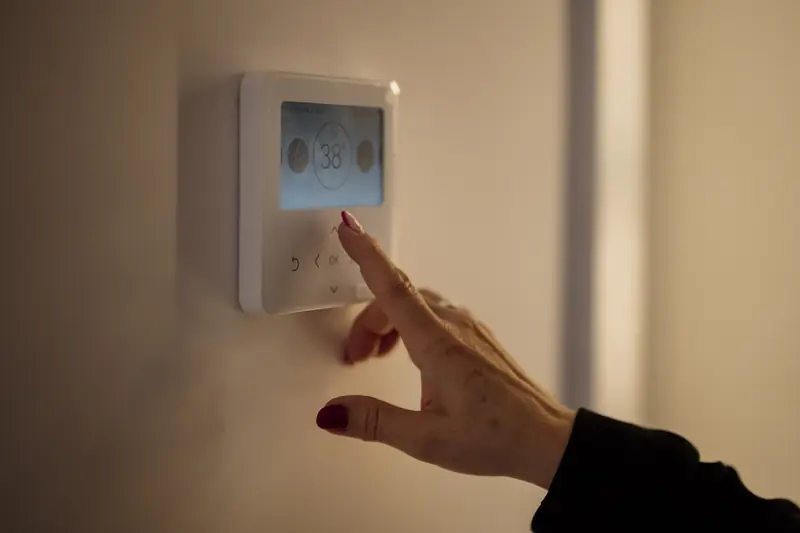
Cheaper settings help while you wait for an answer. DOE suggests no higher than 68°F in winter, and its 2022 Energy Saver Guide says a 7–10°F setback for 8 hours a day can save "as much as 10% per year" on heating and cooling; heat pump owners need a heat-pump-compatible thermostat first. The thermostat settings page has the details.
For a new system, the federal 25C and 25D tax credits ended for anything installed after December 31, 2025. And be wary of any "no interest" plan pushed at the kitchen table; HVAC financing red flags covers deferred interest and the three-day cancellation rule.
How these numbers were checked
This page is based on HHS's LIHEAP program page and program overview, the LIHEAP Clearinghouse pages on income eligibility, funding (updated October 21, 2026) and state disconnection policies (updated July 20, 2026), USA.gov's energy bill help page, DOE's weatherization application page and the U.S. Fire Administration heating flyer, all read in October 2026. Benefit amounts per household are left out because each state sets its own. Phone numbers are left out on purpose; every program here has a linked web page.
More questions
Does LIHEAP send money straight to you?
HHS says the federal office does not make awards directly to households; it funds states, tribes and territories, which run the benefits. How your state pays a benefit is up to the state. A call, text or email offering you a federal LIHEAP grant is a warning sign.
Is there a fee to apply for LIHEAP?
No. HHS states plainly that "LIHEAP does not charge a fee for receiving a benefit." Anyone asking for money to file or speed up an application is not part of the program.
Does LIHEAP help with propane, fuel oil or wood?
It can. The Clearinghouse lists electricity, natural gas, propane, fuel oil and wood as fuels that may be covered, depending on where you live. Delivered fuels are not covered by most utility shutoff rules, so ask about crisis help early if the tank is low.
Can you get LIHEAP in the summer?
Only where your state offers cooling help. In fiscal 2024, 751,000 households got cooling assistance and 106,000 got summer crisis help, against 5 million who got heating help. Some states run summer programs on their own calendar.
Does getting SNAP make you eligible for LIHEAP?
In states that use categorical eligibility, a household with a member on SNAP, SSI, TANF or certain means-tested veterans' benefits can qualify without a separate income test. Some of those states still ask for an application or proof of income from other household members.
Do you have to apply again every year?
States set their own program years, and most start theirs October 1, according to the Clearinghouse. Expect to reapply each season with current income papers. Your local office can tell you whether last year's file carries over.
Can LIHEAP pay to fix a furnace?
Some states use LIHEAP for low-cost repair or replacement of heating and cooling equipment, and HHS lists repairing or replacing heating equipment among the uses. Coverage, limits and approved contractors vary, so ask before any work starts.
Keep going