Section · 11 pages
HVAC Upkeep You Can Do Safely
Short answer
HVAC maintenance you can do yourself is short: change filters, set the thermostat, flush the condensate line, clear the outdoor unit and test CO alarms; refrigerant, gas and electrical parts go to a licensed tech.
Penny Damper bench notes · updated
Shop notes
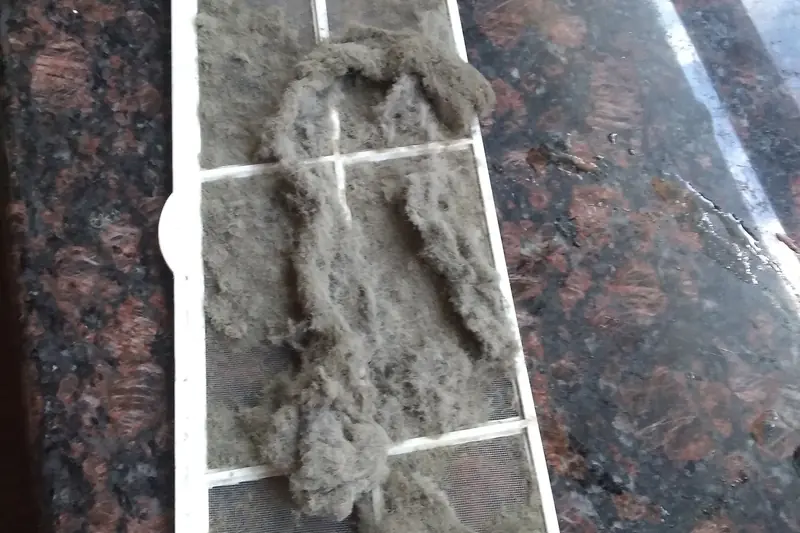
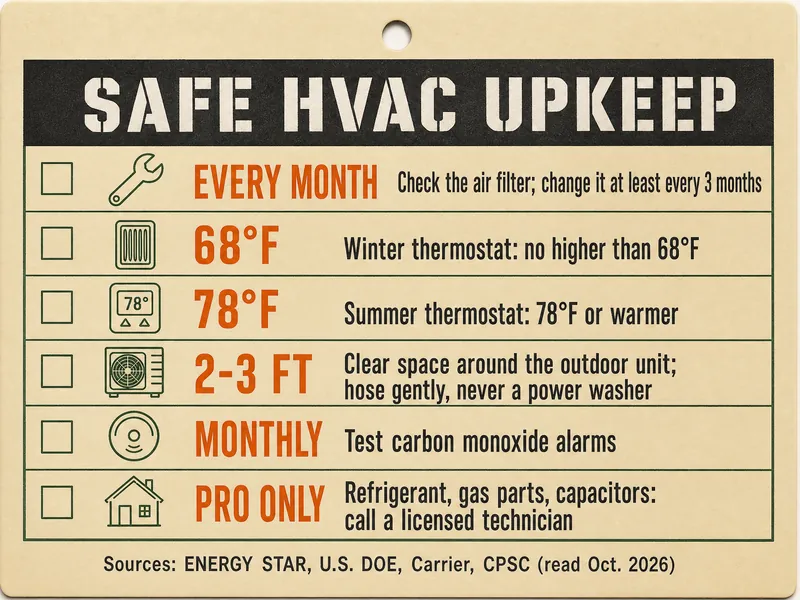
- ENERGY STAR's one homeowner item: inspect, clean or change filters monthly, and at minimum change them every 3 months (ENERGY STAR checklist).
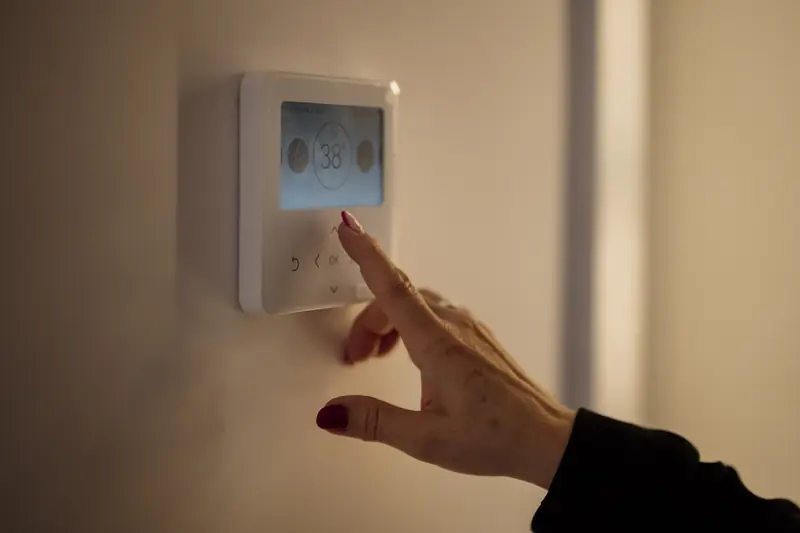
- DOE's suggested ceiling for winter heat is 68°F, and for summer cooling it suggests 78°F or warmer; setbacks can save as much as 10% per year (heat pumps need a heat-pump thermostat first).
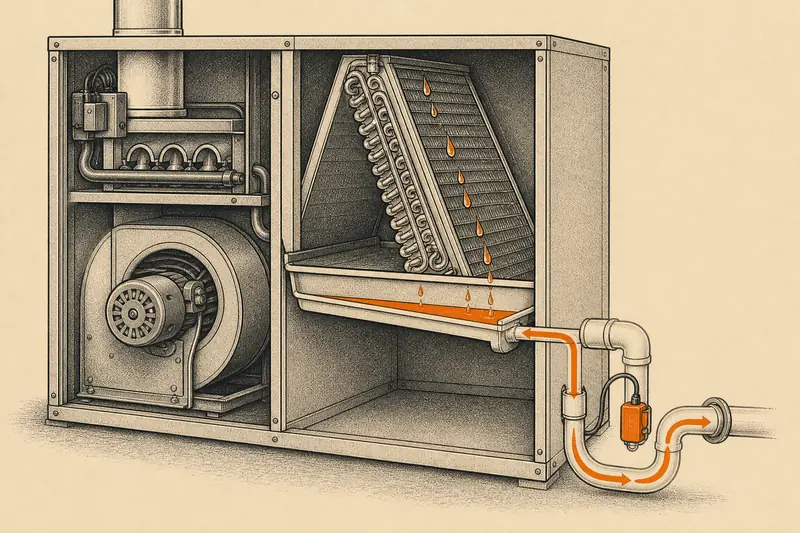
- Lennox's manual tells owners to check the indoor drain line and the outdoor unit monthly (Lennox manual).
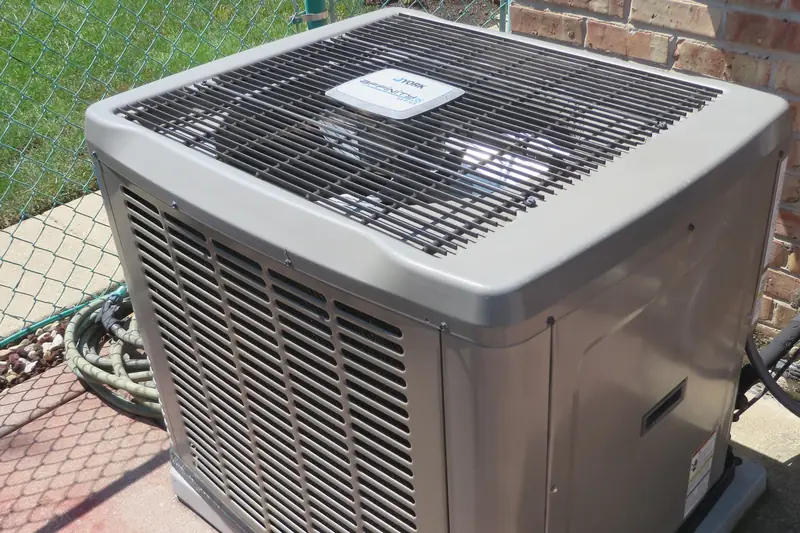
- Carrier: keep 2 to 3 feet clear around the outdoor unit and hose the coil gently, "never a power washer."
- CPSC: test carbon monoxide alarms every month and have fuel-burning equipment inspected by a professional every year.
- ENERGY STAR says airflow problems can cut a system's efficiency by up to 15 percent.
Which jobs are safe for a homeowner?
The safe list is short: filters, thermostat settings and batteries, the furnace power switch and breaker, the condensate line, debris around the outdoor unit, open registers and CO alarm tests. ENERGY STAR's checklist leaves only one item to owners, filters, and says "your contractor can show you how to do this" (ENERGY STAR). The makers' manuals add a few more.
Every job you do with your own hands starts the same way: system off at the thermostat, then power off at the breaker or the outdoor disconnect. Carrier puts it as "always shut off the power to your AC unit at the primary breaker panel before beginning any maintenance" (Carrier). Outdoors, Carrier says to trim plants back to leave 2 to 3 feet of clearance and to hose the coil fins gently, never with a power washer.
| Job | Who | Why |
|---|---|---|
| Check or change the air filter | Homeowner, monthly check | ENERGY STAR's do-it-yourself item |
| Thermostat settings and batteries | Homeowner | DOE and ENERGY STAR settings; batteries yearly |
| Flush the condensate line, power off | Homeowner | Carrier and Lennox give owner steps |
| Clear debris, hose the outdoor coil gently, power off | Homeowner | Carrier: 2–3 feet clear, no power washer |
| Reset a tripped breaker once | Homeowner | Carrier: if it trips right after a reset, don't try again |
| Test CO alarms | Homeowner, monthly | CPSC |
| Refrigerant checks, leaks, recharging | Licensed tech (EPA 608 certified) | ENERGY STAR lists it as contractor work |
| Gas connections, pressure, burners, heat exchanger | Licensed tech | ENERGY STAR checklist item 9 |
| Capacitors, motors, compressors | Licensed tech | Carrier: they hold a charge even with power off |
How do filters and settings cut bills?
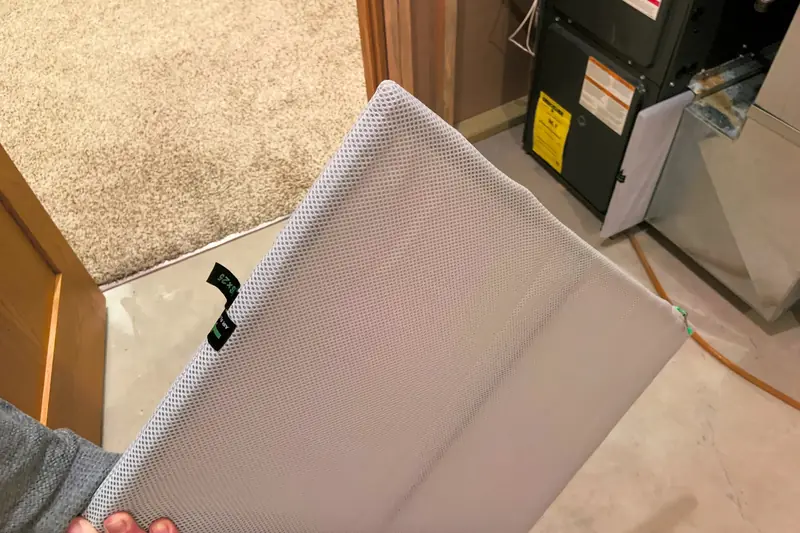
They keep air moving and the equipment off when nobody needs it. ENERGY STAR says a dirty filter "will slow down air flow and make the system work harder," and its checklist says airflow problems can reduce efficiency "by up to 15 percent." On settings, DOE's 2022 Energy Saver Guide says turning the heat down 7–10°F for eight hours daily can save "as much as 10% per year" (DOE), with a caveat for heat pumps.
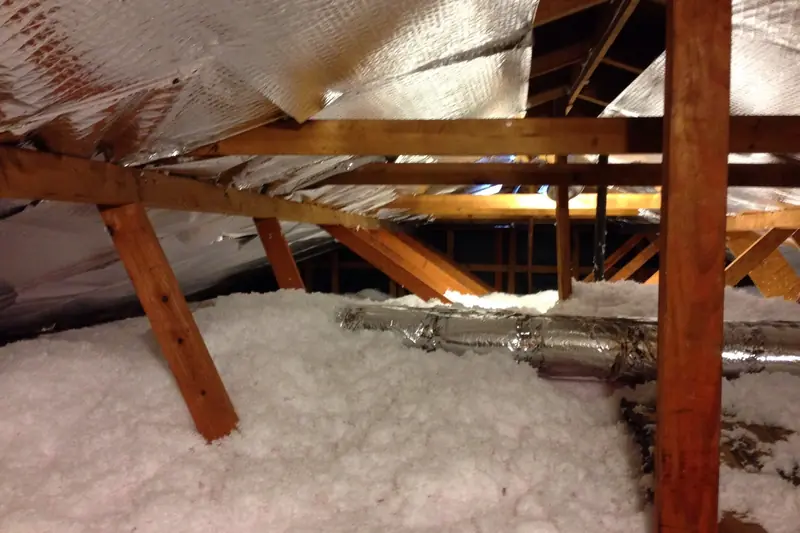
Heat pumps play by their own rules: ENERGY STAR says they do not save by being turned down, and DOE warns against setbacks that bring on backup resistance heat. Ducts matter too: ENERGY STAR estimates 20 to 30 percent of the air moving through a typical duct system is lost to leaks, holes and poor connections (ENERGY STAR duct sealing).
Upkeep numbers with their sources
- 3 monthslongest gap between filter changesENERGY STAR
- 10%yearly savings from a 7–10°F setback, at mostDOE
- 15%efficiency lost to airflow problems, at mostENERGY STAR
- 20–30%duct air lost to leaks and poor connectionsENERGY STAR
- 2–3 ftclearance around the outdoor unitCarrier
What should you check before a service call?
Check the thermostat, the switches, the breaker and the filter first; Lennox's manual lists exactly those before you call. Its pre-service list: verify the thermostat settings, "verify that all electrical disconnect switches are ON," check for blown fuses or tripped breakers, make sure access panels are in place, and confirm the filter is clean (Lennox manual).
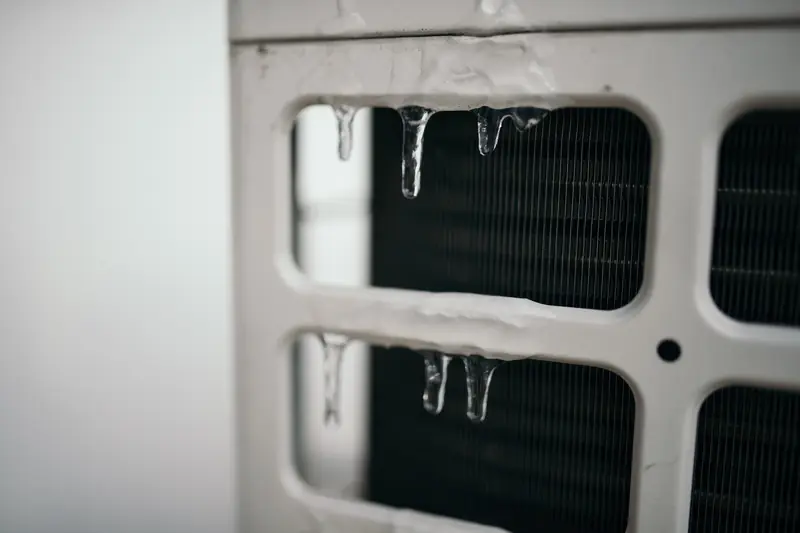
Reset a tripped breaker once. Carrier is clear on the limit: "If the breaker trips immediately after resetting, do not try again" (Carrier). A furnace that won't light, an AC with a frozen coil, or a pan full of water each have their own short checklists below.
 AC not cooling: checks before a callSafe upkeep
 Furnace not working: safe checksSafe upkeep
 Clearing a clogged condensate lineSafe upkeep
How do you heat and cool single rooms cheaply?
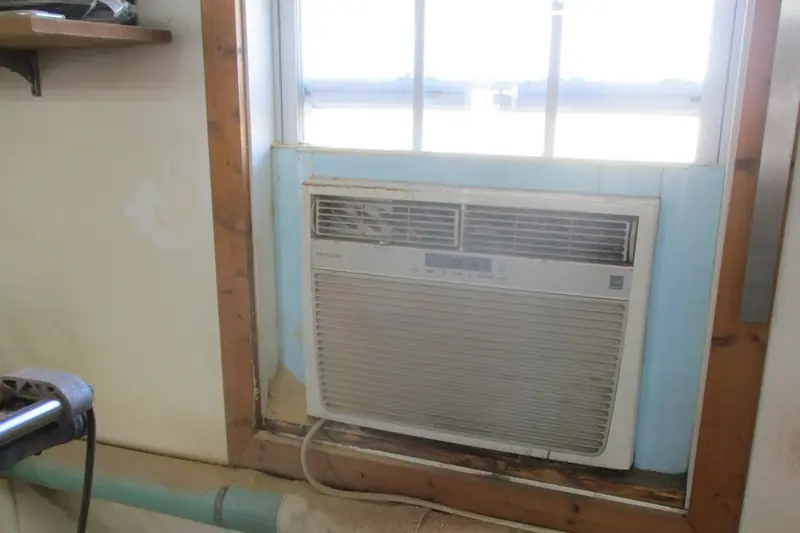
Size a room air conditioner to the room, and run a space heater only under CPSC's rules. ENERGY STAR's room AC page sizes units by square footage, starting at 5,000 Btu/h for 100 to 150 square feet, and warns that an oversized unit "costs more to purchase, wastes energy and does not provide better cooling" (ENERGY STAR).
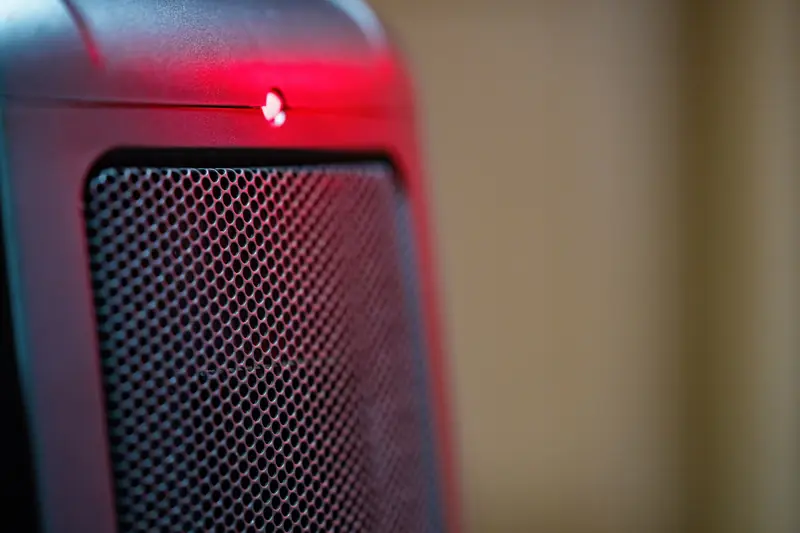
For heaters, CPSC says to keep anything that can burn at least 3 feet away, plug directly into a wall outlet, and never leave one running unattended or while you sleep (CPSC). Running cost is simple arithmetic at EIA's August 2026 average of 18.16 cents per kWh: a heater labeled 1,500 watts uses 1.5 kWh an hour, about 27 cents. Never heat a room with an oven, stove or grill.
Which jobs need a licensed tech?
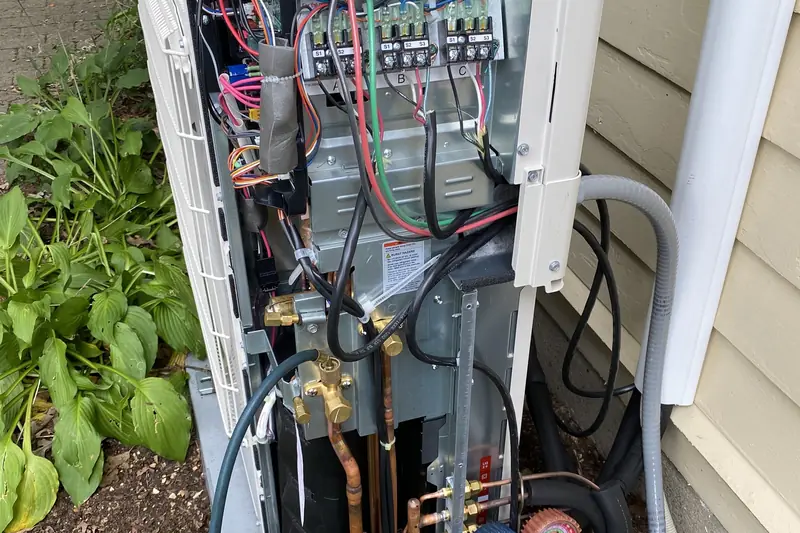
Anything involving refrigerant, gas, or the high-voltage parts inside the cabinets. Only EPA Section 608-certified technicians may buy and handle refrigerant, and low refrigerant means a leak to find, not a can to add. The ENERGY STAR checklist reserves the gas side for a contractor (connections, pressure, combustion, the heat exchanger) and does the same for refrigerant level and tightening electrical connections.
Carrier warns that capacitors "store lethal amounts of energy even when the power is off" (Carrier). Never bypass or jumper a limit, rollout, pressure, float or door switch to get a system running; those switches shut it down for a reason. Lennox recommends a licensed technician inspect the system twice a year, before the cooling and heating seasons. If you're unsure, call a licensed technician.
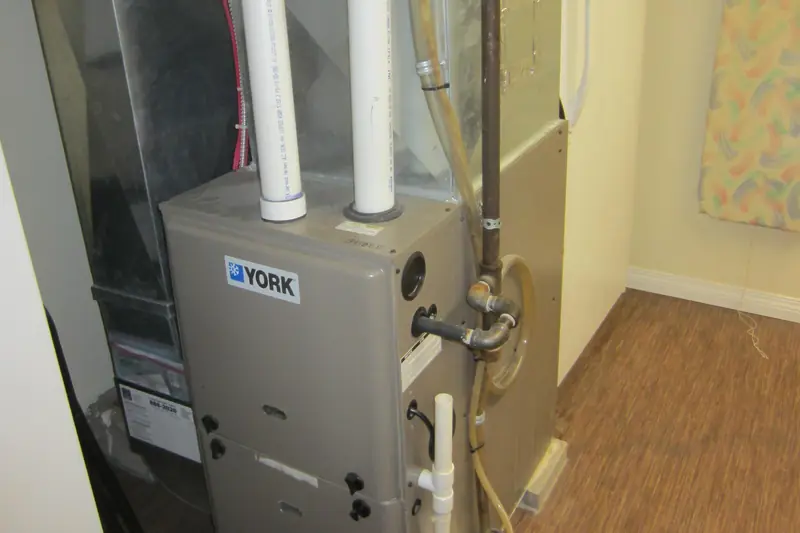
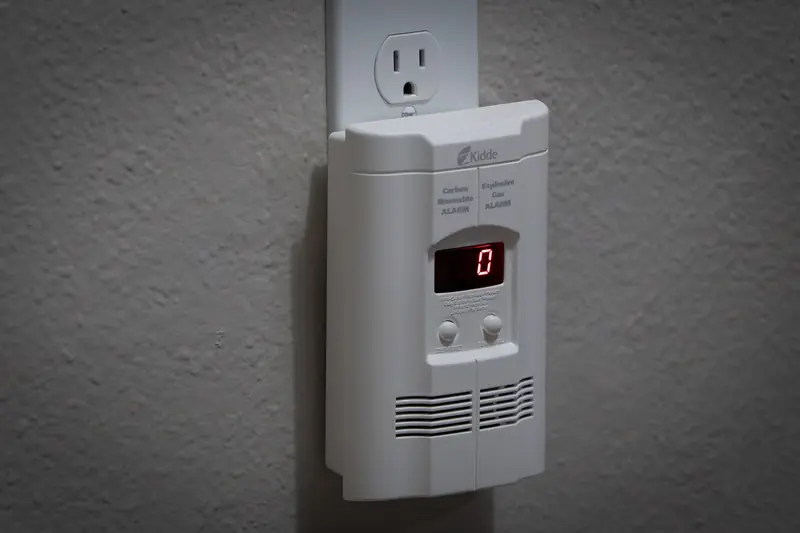
If you smell gas, leave the house first without touching switches or phones, then call the gas utility or 911 from outside. If a CO alarm sounds, get to fresh air, then call 911 or the fire department. CPSC says to put CO alarms on every level and outside sleeping areas.
 Carbon monoxide and your furnaceSafe upkeep
 What heating and cooling repairs costSection
 Cut heating and cooling costs: the home page
How these numbers were checked
This hub draws on ENERGY STAR's heating and cooling, maintenance checklist, duct sealing and room air conditioner pages; DOE's Energy Saver Guide (2022 PDF); Carrier's AC maintenance, cleaning, troubleshooting and capacitor pages; the Lennox AC homeowner manual; CPSC's portable heater guidance and its January 2026 winter safety release; and EIA's Electric Power Monthly for August 2026, all read October 27, 2026. The running-cost figure is our arithmetic from a label wattage. Left out: labor prices, tune-up prices, and any DIY step inside a sealed cabinet.
More questions
How often should an HVAC system get professional maintenance?
ENERGY STAR suggests annual pre-season check-ups: cooling in spring and heating in fall. Lennox's manual says twice a year, before each season, by a licensed technician. CPSC adds a yearly professional inspection for all fuel-burning equipment.
Can a homeowner clean the outdoor AC coil?
Yes, gently. Carrier says to shut off power at the breaker, clear debris within 2 to 3 feet, and rinse the fins with a hose, never a power washer. Deeper coil cleaning, Carrier says, is usually best left to a professional.
Is it safe to open the furnace panel to change the filter?
Changing the filter is the one job ENERGY STAR hands to owners, and your contractor can show you where the slot is. Turn the system off first, and put every panel back before restarting; Lennox says the filter and all access panels must be in place whenever the unit runs. Never open burner or gas compartments.
Should you close registers in rooms you don't use?
Research from Lawrence Berkeley National Laboratory found that shutting registers pushed energy use up in California homes it modeled, all with ductwork outside the conditioned space. It also warns against closing more than 60 percent. Keep registers open and clear of furniture and drapes.
What upkeep does a heat pump need in winter?
Keep the outdoor unit uncovered and clear of snow, change filters monthly or as needed, and avoid deep setbacks. ENERGY STAR and DOE both say a heat pump needs a thermostat built for heat pumps.
Do I need to buy special tools for HVAC upkeep?
No. A flashlight, a garden hose, a wet/dry vacuum for the condensate line and a marker for dating filters cover the safe list. Gauges, meters and refrigerant tools belong to the licensed technician.
Back to the Penny Damper front page