Window vs Portable Air Conditioners
Short answer
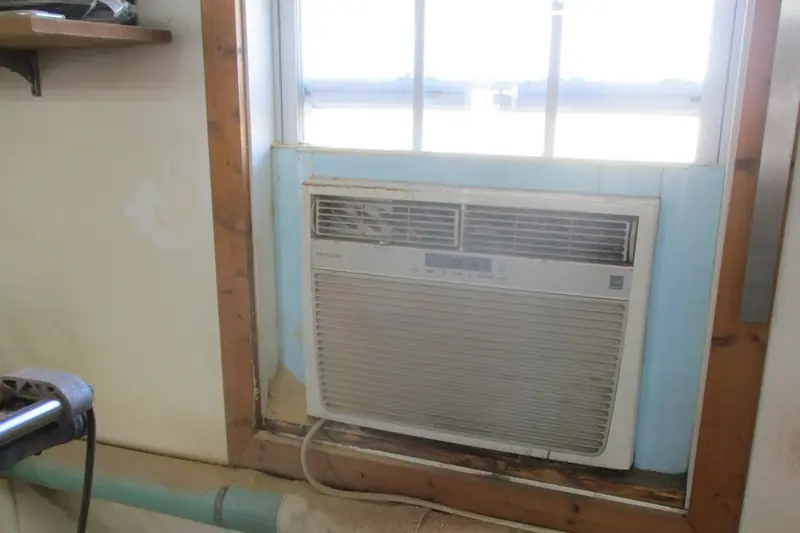
Window AC vs portable AC: a window unit usually costs less to run, because a portable unit pulls room air across its hot side and vents it outdoors, drawing warm outside air back in.
Penny Damper bench notes · updated
Partner links on this page go to PlumbingSupplyAndMore, under the same ownership as Penny Damper. They are there for price reference and examples; no figure here depends on them. How partner links work
Jump to a section
Shop notes
- DOE's 2016 portable AC test rule says single-duct portables draw all their condenser air from inside the cooled room, which pulls in outside air as replacement.
- Portable air conditioners are not eligible for ENERGY STAR under the room air conditioner specification.
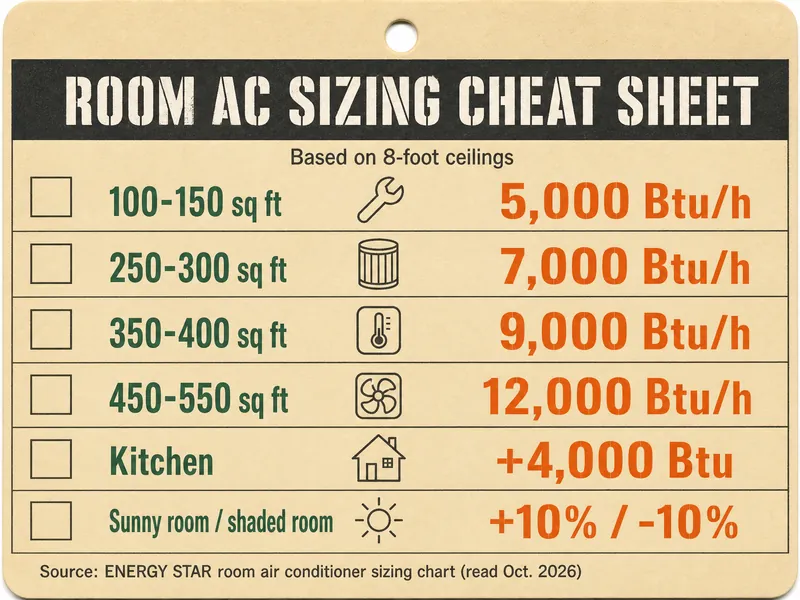
- ENERGY STAR's sizing chart runs from 5,000 Btu/h for 100–150 square feet up to 34,000 Btu/h for 2,000–2,500 square feet, based on an 8-foot ceiling.
- A unit labeled 500 watts costs about 9 cents an hour at EIA's August 2026 average of 18.16¢ per kWh.
- ENERGY STAR says a badly installed room AC leaks as much air as a 6-square-inch hole.
- Lennox gives window units a five-to-eight-year life; Carrier's table puts ductless mini splits at 10–15 years (maker figures).
Window AC vs portable AC: which costs less to run?
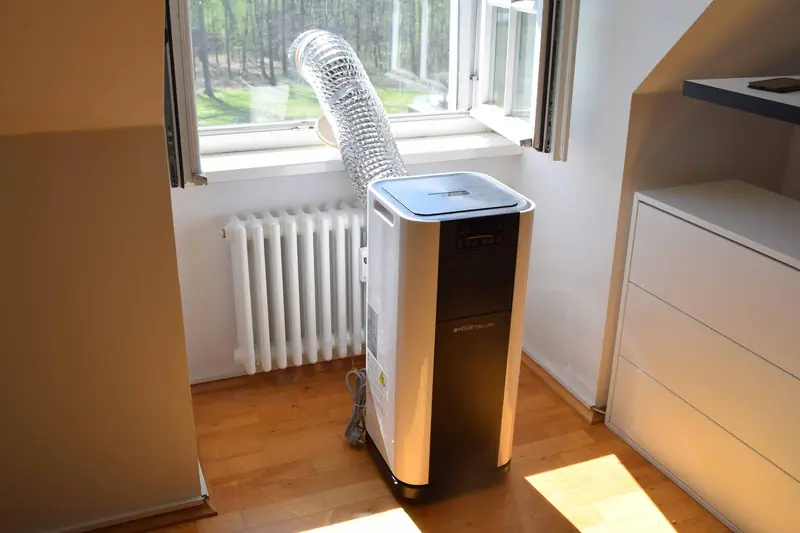
A window unit usually costs less to run for the same cooling, because a portable unit works against itself. A window AC sits with its hot side outdoors. A portable sits entirely in the room and has to pull room air across its condenser, then blow that heated air out a hose. DOE's portable AC test procedure rule says this infiltration effect is most pronounced for single-duct units, which take all of their condenser air from the conditioned space.
Every cubic foot pushed out the hose is replaced by warm outdoor air leaking in around doors and windows. Dual-duct portables help, but DOE notes they also typically draw part of their condenser air from the room. No official source we found gives a single percentage gap between the two types, so Penny Damper doesn't print one.
The label tells the rest. ENERGY STAR's room AC specification excludes portable air conditioners, so the blue label is only available on window and wall units. When comparing models of either type, check the rated capacity in Btu/h and the watts on the nameplate.
What size room air conditioner do you need?
Match capacity to floor area using ENERGY STAR's chart, then adjust for sun, people and kitchens. Bigger is not better: ENERGY STAR says an oversized unit costs more, wastes energy and cools the room before it has removed the humidity, leaving it damp and clammy.
| Area to cool (sq ft) | Capacity (Btu/h) |
|---|---|
| 100 up to 150 | 5,000 |
| 150 up to 250 | 6,000 |
| 250 up to 300 | 7,000 |
| 300 up to 350 | 8,000 |
| 350 up to 400 | 9,000 |
| 400 up to 450 | 10,000 |
| 450 up to 550 | 12,000 |
| 550 up to 700 | 14,000 |
| 700 up to 1,000 | 18,000 |
The chart continues to 34,000 Btu/h for 2,000 to 2,500 square feet. ENERGY STAR then gives four adjustments: reduce capacity by 10% for a heavily shaded room; increase it by 10% for a very sunny room; add 600 Btu for each regular occupant beyond two; and add 4,000 Btu if the unit cools a kitchen. Measure the room in feet, multiply length by width, and convert inches to fractions of a foot (12 feet 6 inches is 12.5 feet).
How much does a window unit cost to run?
Running cost is watts times hours times your electricity price. As a worked example, a window unit labeled 500 watts draws 0.5 kWh an hour; 0.5 × 18.16¢ ≈ 9¢ an hour at EIA's August 2026 U.S. residential average. Eight hours a day comes to about 73¢, or roughly $21.80 over 30 days. Read the watts on your own unit's nameplate and use your utility's rate; state prices vary widely.
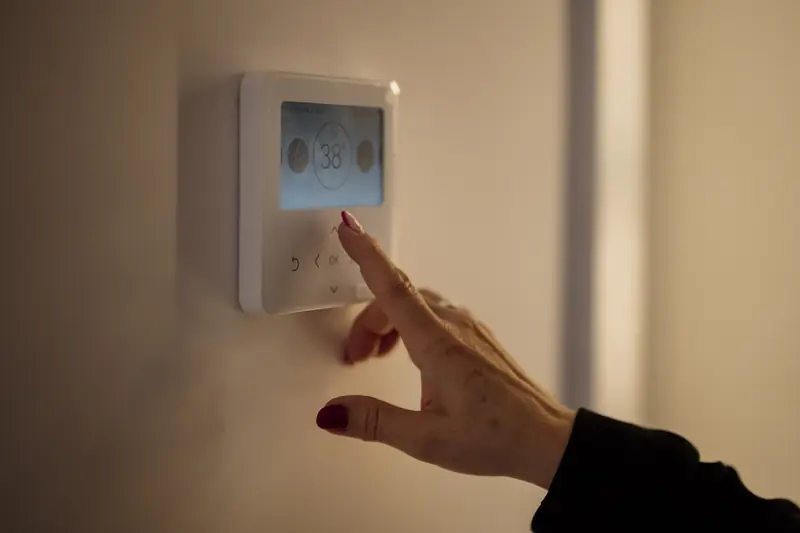
The settings move that number. ENERGY STAR suggests setting the thermostat as high as is comfortable, typically 78°F, and on humid days running the fan on low, since slower air removes more moisture. Keep lamps and TVs away from the unit's thermostat, which reads their heat and runs longer. A ceiling fan helps too: DOE's guide says one lets you raise the thermostat about 4°F with no loss of comfort. More on settings is on thermostat settings.
Installation matters as much as the model. ENERGY STAR says an improperly installed room AC leaks as much air as a 6-square-inch hole. Use the side panels and insulation that came in the box, keep the cabinet level so the drain works, and pull the unit out at the end of the season, or cover it with a fitted cover, to stop winter heat loss.
Why are portable units less efficient?
Portables lose ground on air, not on parts. The single-duct design means the unit exhausts room air it has already cooled, and the house replaces it with hot outside air, a load DOE's test procedure is built to account for.
They still have a place. A portable makes sense where a window can't take a unit, such as casements, sliders, or rentals that forbid window units. If you go portable, a dual-duct model and a well-sealed window kit cut down on the outside air it drags in.
When does a mini split make more sense?
A ductless mini split is the step up when you'd otherwise run several window units or need heat as well as cooling. ENERGY STAR's ductless page describes mini splits as a replacement for window units, needing no ductwork: a head on the wall or ceiling and a unit outside, linked by refrigerant lines. It names older homes with radiators or baseboard heat that never had central air as a common fit, and says certified mini splits use up to 60% less energy than standard electric radiators for heat.
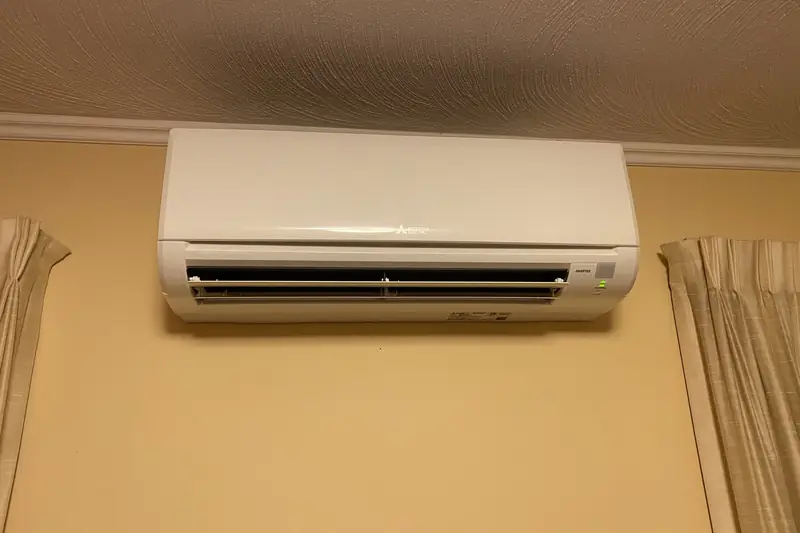
The trade-off is the upfront bill and the install. Sizing should come from a Manual J load calculation, ENERGY STAR says, and setting the line set and charging the system is work for an EPA-certified technician, never a homeowner, since refrigerant can only be handled by certified techs. Supply-house mini split listings show what the equipment alone sells for; PlumbingSupplyAndMore shares owners with Penny Damper. Federal 25C credits ended for equipment installed after December 31, 2025; the tax credits page covers what is left.
Life span tips the math. Lennox says window units have a much shorter lifespan of five to eight years, while Carrier's lifespan table lists ductless mini splits at 10–15 years. Both are makers' figures, not promises for any one unit, and a repair-or-replace check applies to these too. If you're unsure, call a licensed technician.
- 18.16¢average U.S. residential price per kWh, August 2026EIA
- 6 sq inair leak from a badly installed room ACENERGY STAR
- 4,000 Btuextra capacity for a kitchen unitENERGY STAR
- 5–8 yearswindow unit life, maker's figureLennox
How these numbers were checked
Sources: ENERGY STAR's room air conditioner page and Version 4.1 specification, ENERGY STAR's ductless heating and cooling page, DOE's 2016 portable air conditioner test procedure rule, EIA's Electric Power Monthly (August 2026 prices), the 2022 DOE Energy Saver Guide, and Lennox and Carrier lifespan pages, all read in October 2026. Running costs are our own arithmetic on an example wattage. Left out: any percentage claim comparing window and portable efficiency (no official figure found), store prices for room units, and installation prices.
More questions
Can a portable AC cool as well as a window unit of the same Btu rating?
It works harder for the same result, because a single-duct portable exhausts room air it already cooled and pulls warm outside air in to replace it. DOE's test procedure accounts for that infiltration. A window unit keeps its hot side outdoors.
Is a dual-hose portable better than a single-hose one?
Usually, since a second hose brings much of the condenser air from outdoors. DOE notes dual-duct units still typically draw part of their condenser air from the room, so they aren't a match for a sealed window unit.
What size AC do I need for a 12 by 15 foot bedroom?
That is 180 square feet, which falls in ENERGY STAR's 150–250 row at 6,000 Btu/h. Trim 10% if the room is heavily shaded, add 10% if it's very sunny, and add 600 Btu per regular occupant beyond two.
Should I leave the window unit in over winter?
ENERGY STAR suggests removing it at the end of the cooling season if possible, to cut heat loss. Otherwise fit an appropriately sized cover.
Why does my window AC leave the room clammy?
An oversized unit cools the air before it removes the humidity, ENERGY STAR says. On humid days, set the fan to low; slower air pulls out more moisture.
Are ENERGY STAR window units worth looking for?
ENERGY STAR says its certified room units are certified to save energy, and that models with variable-speed compressors save a significant amount more. It gives no single percentage, so compare models by capacity and rated efficiency.
Keep reading