Blower Motor Replacement Cost
Short answer
Blower motor replacement cost depends on the motor: universal PSC replacements up to 1/2 hp listed at $130.71 to $146.77 on October 27, 2026, while a variable-speed ECM listed at $528.51, both part only.
Penny Damper bench notes · updated
Partner links on this page go to PlumbingSupplyAndMore, under the same ownership as Penny Damper. They are there for price reference and examples; no figure here depends on them. How partner links work
Jump to a section
Shop notes
- Universal PSC blower and condenser fan motors up to 1/2 hp were listed at $130.71 to $146.77 at PlumbingSupplyAndMore on October 27, 2026 (3/4 hp and belt-drive motors ran to $192.57); an ECM variable-speed blower motor listed at $528.51. Part prices only.
- Carrier says a blower motor can last 10 to 20 years and calls clean filters the most effective way to extend its life.
- In a DOE Building America study of 8 New York homes (2014), replacement variable-speed motors cut fan power by about 126 watts in heating and 220 watts in cooling.
- The same study found average savings of $20 a year, plus $42 a year more in homes that ran the fan on its own.
- ENERGY STAR's maintenance checklist says airflow problems can cut a system's efficiency by up to 15 percent.
- BLS puts HVAC mechanics' median pay at $29.33 an hour (May 2025); labor and diagnosis make up the rest of the bill.
How much does a blower motor replacement cost?
The motor is the big part of this repair, and the type of motor sets the price. On October 27, 2026, a supply house with the same owners as Penny Damper listed universal PSC replacement motors up to 1/2 hp for blowers and condenser fans at $130.71 to $146.77 (larger 3/4 hp and belt-drive motors ran to $192.57), and a 1/3 to 1 horsepower ECM variable-speed blower motor at $528.51 (motor listings (PlumbingSupplyAndMore, under the same ownership as Penny Damper)). Those are part prices, and Lennox notes that a variable-speed motor has to be matched to the system it goes into.
Labor depends on where you live and how the blower is mounted, so this site doesn't guess a total. The labor line pays for confirming the motor is really the fault (a failed run capacitor or control board can mimic a dead motor), pulling the blower assembly, moving the wheel and mounts to the new motor, wiring and setting its speed taps or programming, and checking airflow afterward. A contractor's hourly rate covers its vehicle, insurance, tools and unbilled hours on top of wages.
The Bureau of Labor Statistics gives the wage side: a median of $29.33 an hour, $61,010 a year, for HVAC mechanics in May 2025 (BLS handbook). Ask for the diagnosis in writing and an itemized quote that names the motor type, horsepower and voltage.
| Point | PSC (permanent split capacitor) | ECM (electronically commutated) |
|---|---|---|
| Part price, Oct. 27, 2026 | $130.71–$146.77 for universal motors up to 1/2 hp | $528.51 for the listed variable-speed motor |
| Speeds | A few fixed speeds | Adjusts airflow to demand, like a dimmer |
| Electricity use | Higher | Lower; DOE study saw about 126 W less while heating |
| How speed is controlled | Motor windings plus a run capacitor | Onboard electronics (brushless permanent magnet, per DOE) |
| Swap difficulty | Straightforward | Must match the furnace and its controls |
What is the difference between PSC and ECM motors?
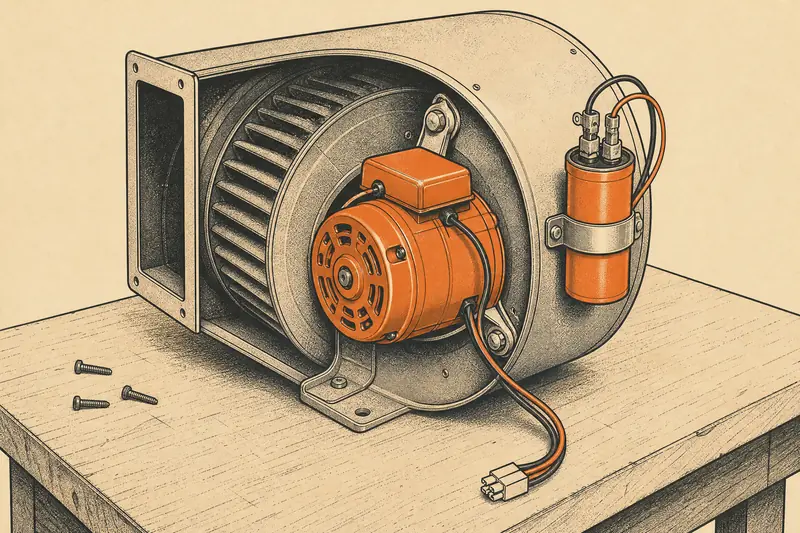
A PSC motor runs at one of a few fixed speeds, while an ECM uses electronics to vary its speed and draws less power. A dealer quoted in Carrier's blower guide says traditional furnaces often used PSC motors with only a few fixed speeds, and Carrier's own comparison says PSC motors generally use more electricity than ECM technology. Lennox's glossary entry compares a variable-speed motor to a dimmer switch that can run high, low "or anywhere in between."
Most furnaces in service still run PSC motors. The DOE report says "the vast majority of existing residential furnaces" use them, while most new two-stage furnaces use brushless ECM-type motors. PSC motors also depend on a run capacitor, the same kind of part covered on the capacitor cost page.
The ECM's extra cost buys efficiency and quieter ramping, but it's harder to swap. Lennox says variable-speed motors "require exact calibration, compatibility with existing system components," and often control board or thermostat updates. Replacing a PSC motor with an ECM in an old furnace is a separate decision covered below.
What are the signs of a failing blower motor?
Weak or no airflow from the vents, new noises and tripping breakers are the main signs. Carrier lists a motor that won't start, grinding or squealing from worn bearings, cold rooms and weak airflow, rising bills, frequent breaker trips and visible burnt or corroded parts. Carrier's furnace troubleshooting page adds that a hum or buzz with no start can mean a seized blower or a failed capacitor.
Check the easy things first, with the furnace switched off at the thermostat and its power switch:
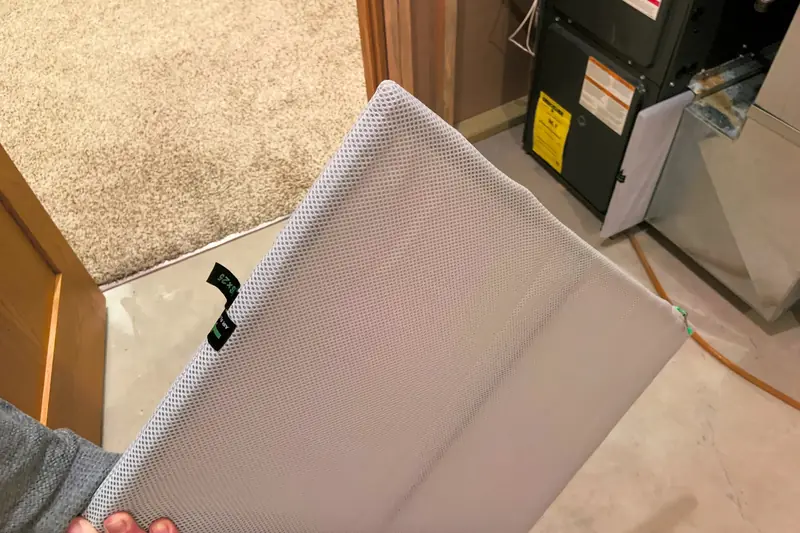
- Filter: slide it out and hold it up to a light; if little light passes, it is starving the motor of air.
- Registers: open and not blocked by furniture, rugs or drapes.
- Thermostat fan setting: DOE's Energy Saver Guide suggests Auto unless a professional set the system to run continuously.
- Breaker: if it tripped, reset it once. A second trip means a fault for a technician.
Don't open the blower compartment to spin the wheel or test the motor. Carrier calls blower motor work a complex task involving high-voltage wiring, and a PSC motor's run capacitor can hold a charge after the power is off. If you're unsure, call a licensed technician. Note which rooms lost airflow and any smell or noise; it helps the diagnosis.
Blower motor numbers
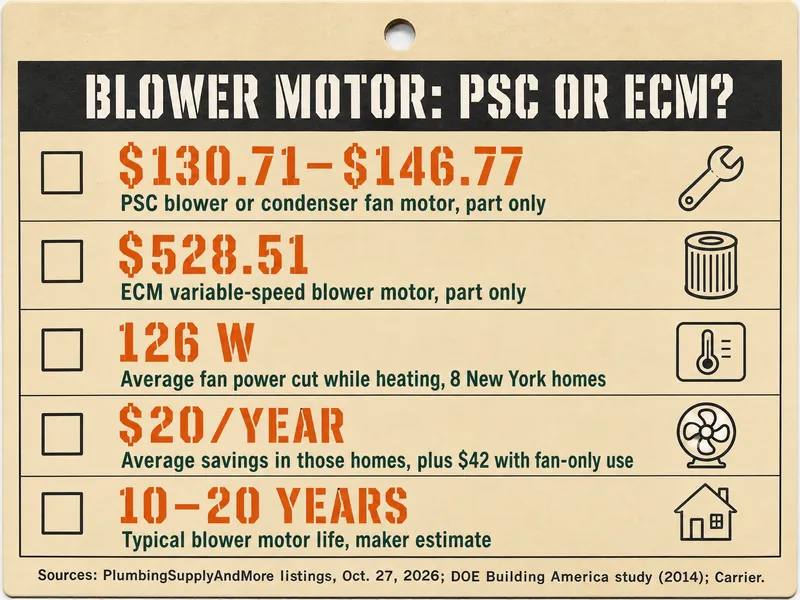
- $130.71–$146.77PSC blower or condenser fan motor, part only, Oct. 27, 2026PlumbingSupplyAndMore (under the same ownership as Penny Damper) (PlumbingSupplyAndMore, under the same ownership as Penny Damper)
- $528.51ECM variable-speed blower motor, part only, Oct. 27, 2026PlumbingSupplyAndMore (under the same ownership as Penny Damper) (PlumbingSupplyAndMore, under the same ownership as Penny Damper)
- 126 WAverage fan power reduction while heating, 8 New York homesDOE Building America (2014)
- Up to 15%Efficiency lost to airflow problemsENERGY STAR
- 10–20 yearsTypical blower motor life, maker estimateCarrier
Can a dirty filter kill a blower motor?
It can shorten its life. Carrier says a clogged filter restricts airflow, "putting immense strain on the motor," and calls clean filters the single most effective way to extend motor life. ENERGY STAR goes further on the system as a whole: a dirty filter "can increase energy costs and damage your equipment, leading to early failure."
The fix is cheap. ENERGY STAR says to check the filter monthly in heavy-use seasons and change it at least every 3 months; PlumbingSupplyAndMore's October 27, 2026 listings had common sizes of pleated MERV 8 filters, 1 inch thick, from $5.22 to $14.17 each, part only. Match the size printed on the old filter, slide it in with the arrow toward the furnace, and see the MERV ratings page before you jump to a much denser filter.
Is it worth replacing the blower in an old furnace?
Often yes when the rest of the furnace is sound, but weigh the furnace's age before you pay for a premium motor. Carrier says replacing the motor "is often a smart investment if the rest of the furnace is in good condition," and suggests comparing repair cost against a new system once a furnace passes 15 years. That matches the age at which ENERGY STAR says to consider replacing a furnace.
Upgrading a PSC furnace to a variable-speed motor is a narrower bet. In the DOE study, average savings were $20 a year, and the authors said heating and cooling savings alone "would not usually justify" the installed cost. They recommended the retrofit where the furnace has at least 10 years of life left, equipment is right-sized, ducts are not restrictive, and the fan often runs on its own.
Here is the arithmetic on that 126-watt cut. Over 1,000 hours of heating (an example; your hours will differ), it saves 126 kWh, and at EIA's August 2026 residential average of 18.16¢ per kWh that is about $22.88. If the furnace is near the end of its run, put the motor money toward the repair-or-replace test instead.
How these numbers were checked
Built from Carrier's furnace blower motor and troubleshooting guides, Lennox's variable-speed motor glossary, the DOE Building America report "Evaluation of Retrofit Variable-Speed Furnace Fan Motors" (January 2014, eight homes near Syracuse, New York), ENERGY STAR's maintenance and replacement pages, DOE's Energy Saver Guide (2022), EIA's Electric Power Monthly and BLS pay data for May 2025, read in October 2026. Motor and filter prices were read from PlumbingSupplyAndMore's listings on October 27, 2026 and exclude labor. Total job prices, installed-cost figures and maker marketing percentages are left out.
More questions
Can an ECM motor replace a PSC motor in my furnace?
Sometimes. Retrofit variable-speed motors exist, and DOE's study tested them in eight homes, but Lennox notes variable-speed motors need matching to the system's components. Ask the technician whether a retrofit model fits your furnace.
Why does my blower run but no heat comes out?
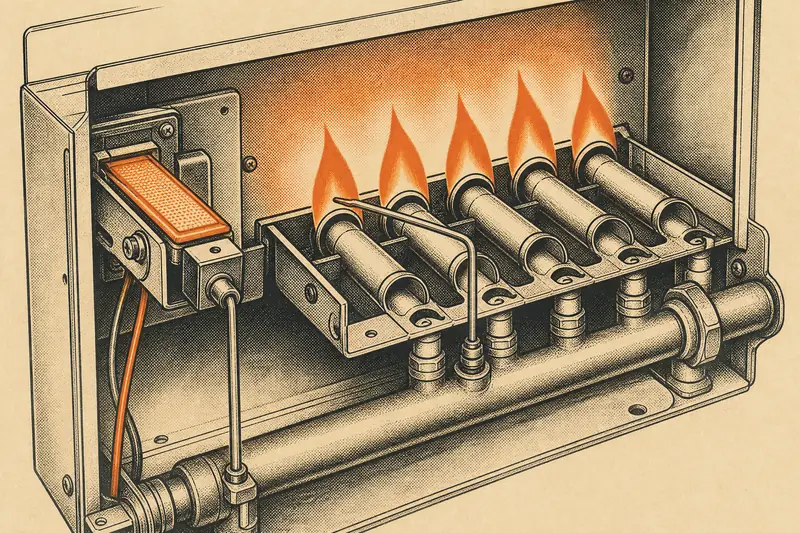
The blower is working but the burners aren't lighting, which points to the ignition side. See the furnace igniter page and leave gas parts to a licensed technician.
Does running the fan on On instead of Auto wear out the motor?
It adds run hours and electricity. DOE's Energy Saver Guide suggests Auto unless a professional set the system to run continuously, and in DOE's study the variable-speed motors saved the most where the fan ran on its own.
Is the condenser fan motor the same as the blower motor?
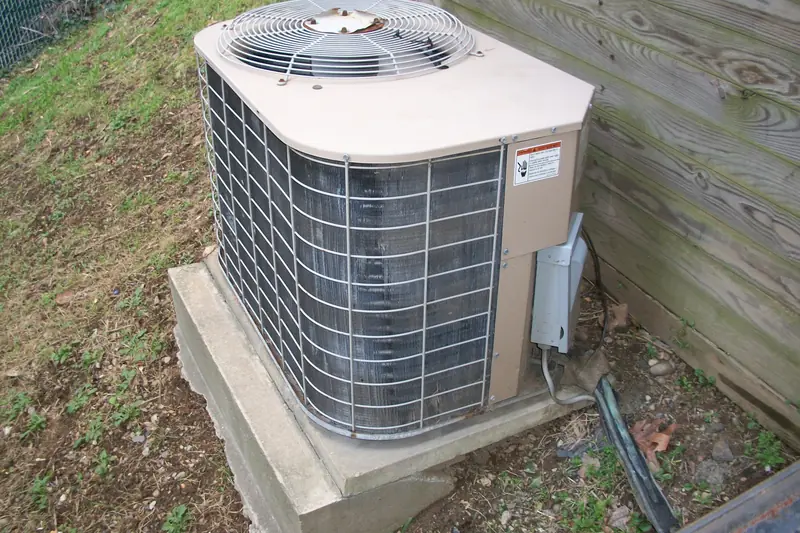
No. The blower moves indoor air through the ducts; the condenser fan sits on top of the outdoor unit. The PSC listings above include both kinds, so the replacement must match the job.
Should the run capacitor be replaced with a PSC blower motor?
Ask. Carrier names a failed capacitor alongside a seized blower when a furnace hums but won't start, so the quote should say whether the capacitor was tested and list it as its own line.
What does an ECM motor's higher price buy?
Lower electricity use, quieter starts and airflow that adjusts to demand. Lennox says variable-speed motors can help an air conditioner remove more moisture in summer.
How do I know which motor my furnace has?
The furnace's model number and the motor's label tell a technician. Listings name motors by type, horsepower, voltage and speed, so bring those details when comparing a quote.
More on repair costs