Section · 5 pages
Help With Heating and Cooling Bills
Short answer
Help paying heating and cooling bills comes mainly from LIHEAP and the Weatherization Assistance Program, both run through your state; federal tax credits ended for 2026 installs, and rebates exist only in select states.
Penny Damper bench notes · updated
Shop notes
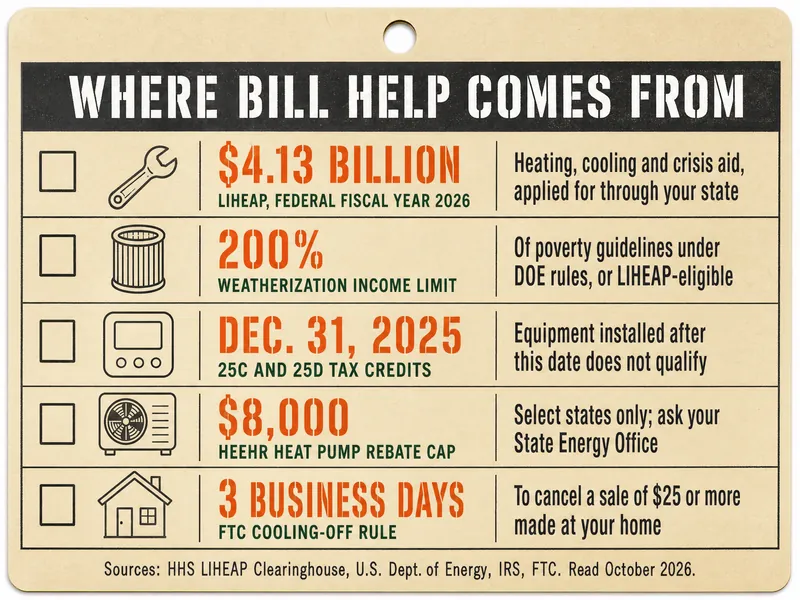
- LIHEAP had a $4,130,596,037 budget for fiscal 2026 and pays heating, cooling and crisis help through state and local offices (LIHEAP Clearinghouse).
- DOE's Weatherization Assistance Program serves households at or below 200% of the poverty guidelines; DOE says they save "on average $372 or more every year."
- The 25C and 25D federal tax credits do not cover equipment installed after December 31, 2025 (IRS).
- DOE's renamed rebate programs, HOMES and HEEHR, are live only in "select states"; HEEHR's heat pump cap is $8,000.
- The FTC Cooling-Off Rule gives you until midnight of the third business day to cancel a sale of $25 or more made at your home.
- ENERGY STAR says heating and cooling use "nearly half" of a home's energy, so these programs target the biggest line on the bill.
Who can get help paying heating and cooling bills?
Households under their state's LIHEAP income limit can get help paying heating and cooling bills, and the federal ceiling is the greater of 150% of the poverty guidelines or 60% of state median income (HHS). States may also count a household as eligible when a member gets SNAP, SSI or TANF.
You apply through a state or local office found with the Clearinghouse local office search tool. If a shutoff notice has arrived, ask for crisis help, which states must offer through at least March 15, and check your state's rules on the Clearinghouse disconnection page.
What does weatherization pay for?
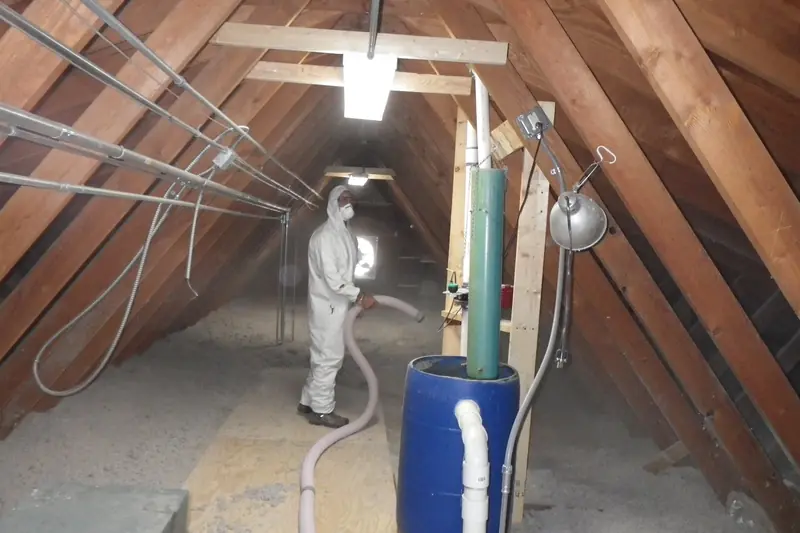
Weatherization covers the upgrades an energy audit ranks as most cost-effective such as insulation, air sealing, heating system repair and carbon monoxide alarms. DOE's how-to-apply page says both homeowners and renters may apply, and eligible households join a waitlist.
The audit includes a blower-door test and an inspection of every energy system. A home with a leaking roof or similar problem can be deferred until that is fixed.
Which tax credits help with heating and cooling costs in 2026?
No federal tax credit covers a heat pump, furnace or central air conditioner installed in 2026, because the 2025 budget law ended both 25C and 25D after December 31, 2025. Work installed in 2025 is still claimed on Form 5695 with the 2025 return, and each item needs the maker's four-character QMID (IRS instructions).
Rebates are the remaining federal route. DOE renamed its programs HOMES and HEEHR on May 29, 2026, says they are available in "select states," and tells households to contact their State Energy Office (DOE). HEEHR now pays only for electric-to-electric upgrades, not a switch from gas, oil or propane.
What efficiency rules apply to a new system?
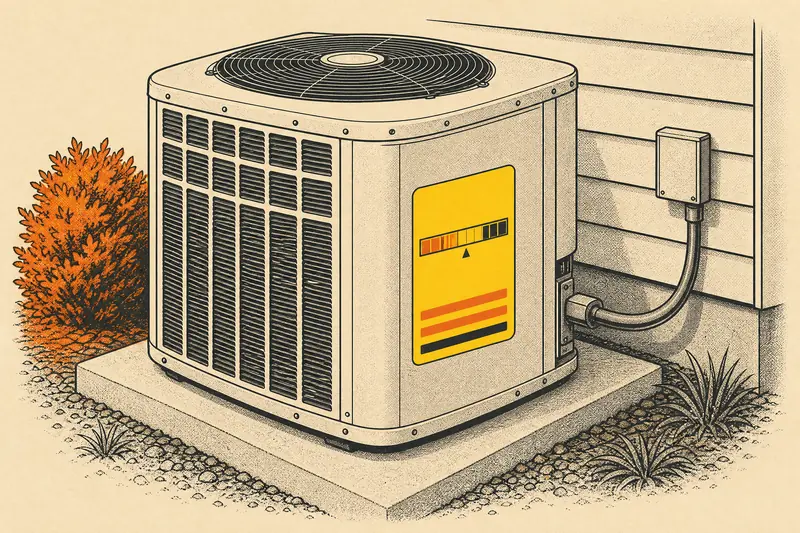
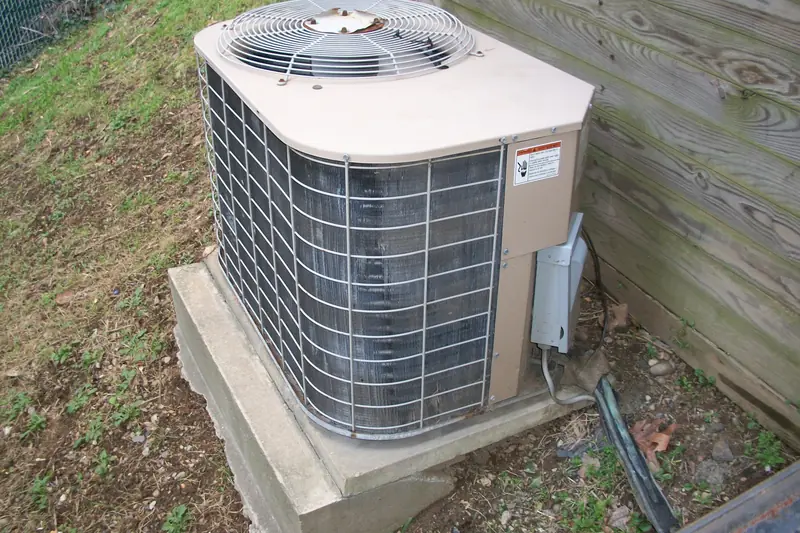
A central air conditioner made since January 1, 2023 must meet at least 13.4 SEER2, and a split heat pump at least 14.3 SEER2 and 7.5 HSPF2, under 10 CFR 430.32. DOE's Southeast and Southwest regions set higher minimums for air conditioners only, so a quote should name the SEER2 rating and the region rule it meets.
ENERGY STAR puts the saving from a certified, correctly installed air conditioner or heat pump at as much as 20 percent of heating and cooling costs, and warns that a poor installation can cut efficiency by up to 30 percent. The installer matters as much as the label.
How do you finance a replacement safely?
Finance a replacement safely by getting the price and the loan terms in writing, comparing at least one loan from outside the contractor, and reading any "no interest" offer for deferred interest. The CFPB warns that missing the payoff date can bring interest "going back to the date you first made that purchase."
The FTC Cooling-Off Rule lets you cancel most sales of $25 or more made at your home within three business days. It does not cover a repair visit you asked for, but extra items sold during that visit are covered.

| Program | Run by | Who it helps | Status |
|---|---|---|---|
| LIHEAP | HHS, through states, tribes and territories | Households under the state income limit | Fiscal 2027 funds released October 9, 2026 |
| Weatherization Assistance Program | DOE, through about 700 local agencies | Income up to 200% of poverty guidelines, or on SSI | Ongoing; waitlists apply |
| 25C and 25D tax credits | IRS | Equipment installed by December 31, 2025 | Ended for 2026 installs |
| HOMES and HEEHR rebates | DOE, through State Energy Offices | Income limits by area median income | Select states only |
| FTC Cooling-Off Rule | FTC | Buyers in at-home sales of $25 or more | In force |
Bill help in numbers
- $4.13BFederal LIHEAP money for fiscal year 2026LIHEAP Clearinghouse
- $372+Average yearly savings after weatherizationU.S. Department of Energy
- $8,000HEEHR heat pump rebate capU.S. Department of Energy
- 3 daysBusiness days to cancel an at-home sale of $25 or moreFTC
How else can you cut heating and cooling bills?
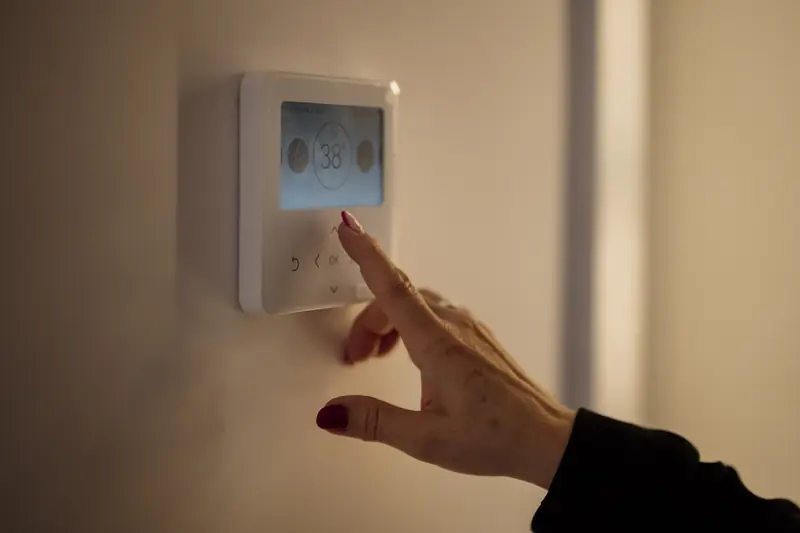
You can cut heating and cooling bills on your own with settings and small fixes. For winter, DOE suggests a thermostat at 68°F or lower; for summer, 78°F or higher. Its Energy Saver Guide (2022) says a 7–10°F setback for 8 hours a day can save "as much as 10% per year"; heat pumps need a heat-pump-compatible thermostat for that.
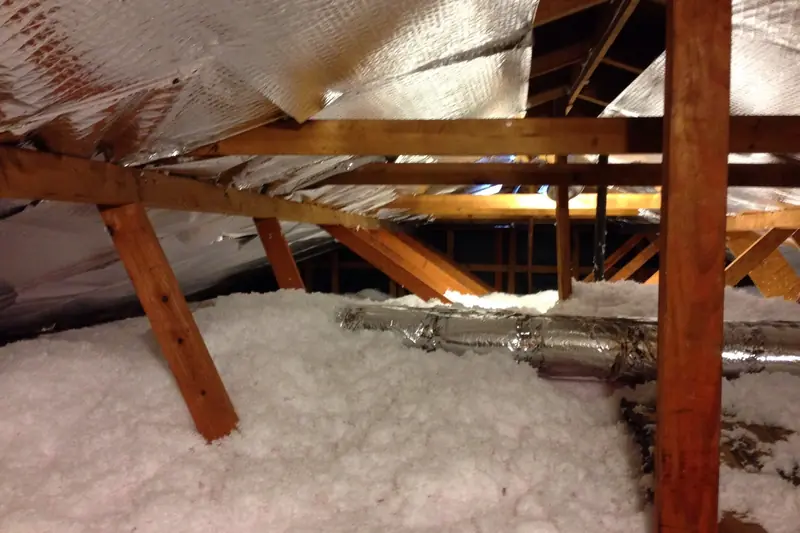
Leaky ducts are the other big one: ENERGY STAR estimates 20 to 30 percent of duct air is lost to leaks and poor connections. Seal reachable joints with mastic or foil tape, never duct tape.
 Thermostat settings that save moneySafe upkeep
 Duct leaks and how to seal themSafe upkeep
 Safe HVAC upkeep you can do yourselfSection
How these numbers were checked
This hub draws on HHS and LIHEAP Clearinghouse pages, DOE's weatherization and Home Energy Rebates pages and its December 2024 rebate program requirements, IRS guidance on the 25C and 25D credits, 10 CFR 430.32, the FTC Cooling-Off Rule (16 CFR 429), the CFPB on deferred interest, ENERGY STAR heating and cooling pages and DOE's 2022 Energy Saver Guide, all read in October 2026. No program amounts per household are given, because states set them. Phone numbers are left out; each program is linked to its web page.
More questions
Can you stack a federal rebate with another federal grant on one project?
No. DOE's Program Notice 26-2 says the rebates may not be combined with any other federal grant or rebate for the same project. You can still apply for LIHEAP bill help in the same year, since that pays energy bills rather than equipment.
Can you still claim a heat pump installed in 2025?
Yes, on your 2025 return using Form 5695, as long as installation was complete by December 31, 2025. The IRS requires the qualified manufacturer's four-character QMID for each item. The 2025 caps were $2,000 for heat pumps and $600 per central air conditioner or furnace.
Does HEEHR pay to switch from a gas furnace to a heat pump?
Not any more. DOE's Program Notice 26-2, effective May 29, 2026, limits HEEHR to upgrades from existing electric equipment to more efficient electric equipment. Older articles that describe gas-to-heat-pump rebates predate that change.
What does an hour of electric resistance heat cost?
At the U.S. average residential price of 18.16 cents per kWh (EIA, August 2026), a heater labeled 1,500 watts costs about 1.5 × 18.16 ≈ 27 cents an hour. Your own rate is on your electric bill and may be higher or lower.
Who pays for a home energy audit?
In the Weatherization Assistance Program the audit is part of the service. Outside it, the federal $150 credit for a home energy audit applied only through 2025, so a 2026 audit is out of pocket unless your utility or state offers one.
Is a 0% financing offer a red flag by itself?
Not by itself, but read whether it is deferred interest. The CFPB explains that if the balance isn't paid in full by the end of the promotion, interest can be charged back to the purchase date, and minimum payments probably won't clear it in time.